
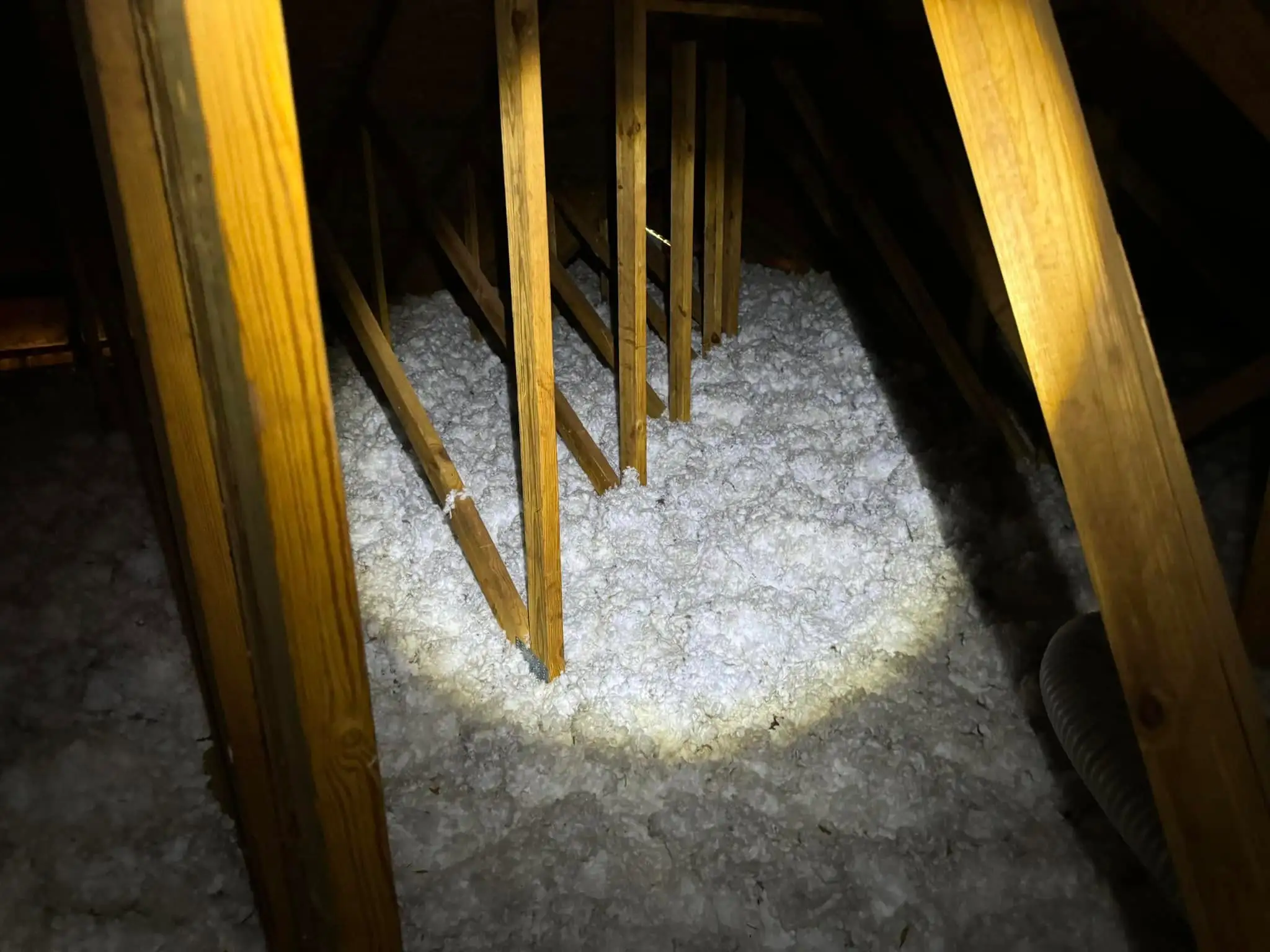
Spray foam insulation outperforms traditional options like fiberglass and cellulose because it combines a higher R-value per inch with a built-in air seal, two qualities that directly reduce the heating and cooling workload in Greensboro homes. The right choice for any specific property depends on factors like the home’s age, construction type, and whether the goal is new construction or retrofitting an existing building. What sets spray foam apart from other insulation types is that it does not just slow heat transfer; it actively prevents conditioned air from escaping through gaps, cracks, and penetrations in the building envelope. Homeowners looking to maximize comfort and lower utility costs can benefit from exploring energy-efficient insulation solutions designed for Greensboro’s climate and year-round performance demands.
Greensboro sits in Climate Zone 4 according to the Department of Energy’s climate zone classification, which means the area experiences both hot, humid summers and cold winters. Homes in this zone need insulation that performs well under both heating and cooling loads. The DOE recommends R-49 to R-60 for uninsulated attics in Zone 4, and for wood-frame walls, the recommendation calls for R-20 cavity insulation combined with R-5 continuous insulation, or R-13 cavity insulation with R-10 continuous insulation.
Traditional materials like fiberglass batts require significantly more thickness to hit these targets. Fiberglass delivers roughly 2.2 to 3.8 R-value per inch, while spray foam achieves 6.0 to 7.0 per inch in its closed-cell form. In practice, this means spray foam can meet or exceed code requirements in less space, which matters in older Greensboro homes with narrow wall cavities that cannot accommodate thick layers of batt insulation. Homeowners comparing insulation products should understand how different materials perform in real-world applications, including differences in thermal resistance, air sealing capabilities, and installation requirements.
R-value measures a material’s resistance to heat flow, and a higher number means better thermal performance. The table below compares the most common insulation types found in Greensboro-area homes.
| Insulation Type | R-Value Per Inch | Air Sealing Capability | Lifespan | Best Application |
|---|---|---|---|---|
| Closed-Cell Spray Foam | 6.0 – 7.0 | Acts as full air and vapor barrier | 80+ years | Walls, crawl spaces, rim joists, attics |
| Open-Cell Spray Foam | 3.5 – 3.7 | Acts as an air barrier (not a vapor barrier) | 80+ years | Walls, attics, sound-dampening applications |
| Fiberglass Batts | 2.2 – 3.8 | Does not seal air gaps | 10-25 years | Standard wall cavities, attics |
| Cellulose (Blown-In) | 3.2 – 3.8 | Reduces but does not stop air movement | 20-30 years | Attics, existing wall cavities |
| Mineral Wool | 3.3 – 4.2 | Limited air sealing | 75+ years | Fire-rated assemblies, walls |
The comparison reveals a clear pattern. Spray foam provides the highest R-value per inch across all common residential insulation materials, and it is the only option on this list that simultaneously seals air leaks during installation. This dual function eliminates the need for a separate air-sealing step, which is required with fiberglass and cellulose installations.
R-value alone does not tell the full story about insulation performance. The Building Science Corporation’s research on air barriers explains that airflow through a building envelope is one of the largest drivers of energy loss, moisture damage, and comfort problems. Air barrier systems must be continuous, durable, and impermeable to airflow to be effective.
Traditional insulation materials like fiberglass and cellulose slow convective heat flow but do not stop air movement through the building envelope. Gaps around studs, wiring penetrations, plumbing runs, and framing joints allow conditioned air to escape and unconditioned air to enter. According to comparative data from Diffen’s insulation analysis, more than 30% of heated or cooled air can escape through gaps in fiberglass insulation installations.
Spray foam addresses this problem at the source. When applied, it expands to fill every crack, gap, and penetration in the cavity, creating a monolithic layer that meets air barrier performance standards without additional materials. The Building Science Corporation confirms that spray-applied foam insulations can serve as effective cavity air barrier systems, which is something fiberglass batts and blown cellulose cannot achieve on their own. To achieve these performance benefits, it is important to work with an experienced spray foam contractor who understands proper application techniques, building science principles, and quality installation practices.
The Department of Energy’s air sealing guidance reinforces this point by stating that air sealing alone does not eliminate the need for proper insulation, and insulation alone does not replace the need for air sealing. Spray foam delivers both in a single step.
The EPA’s energy savings methodology for home sealing and insulating provides region-specific data. For Climate Zone 4, which covers Greensboro, the estimated savings reach 12% on total household energy costs and 17% on heating and cooling costs alone when homeowners air seal and add insulation to meet current code requirements.
These numbers represent the baseline for properly installed insulation combined with effective air sealing. Spray foam’s ability to deliver both simultaneously means it can help homeowners reach or exceed these savings targets more consistently than traditional materials, which often leave air leaks unaddressed even when insulation levels are adequate.
The DOE’s Guide to Home Insulation also notes that homeowners can save up to 20% on heating and cooling costs by adding insulation to attics, floors, crawl spaces, and basement rim joists while reducing unwanted air leaks. Spray foam is particularly effective at rim joists and crawl spaces, areas where traditional batt insulation is difficult to install properly and air leakage is most common.
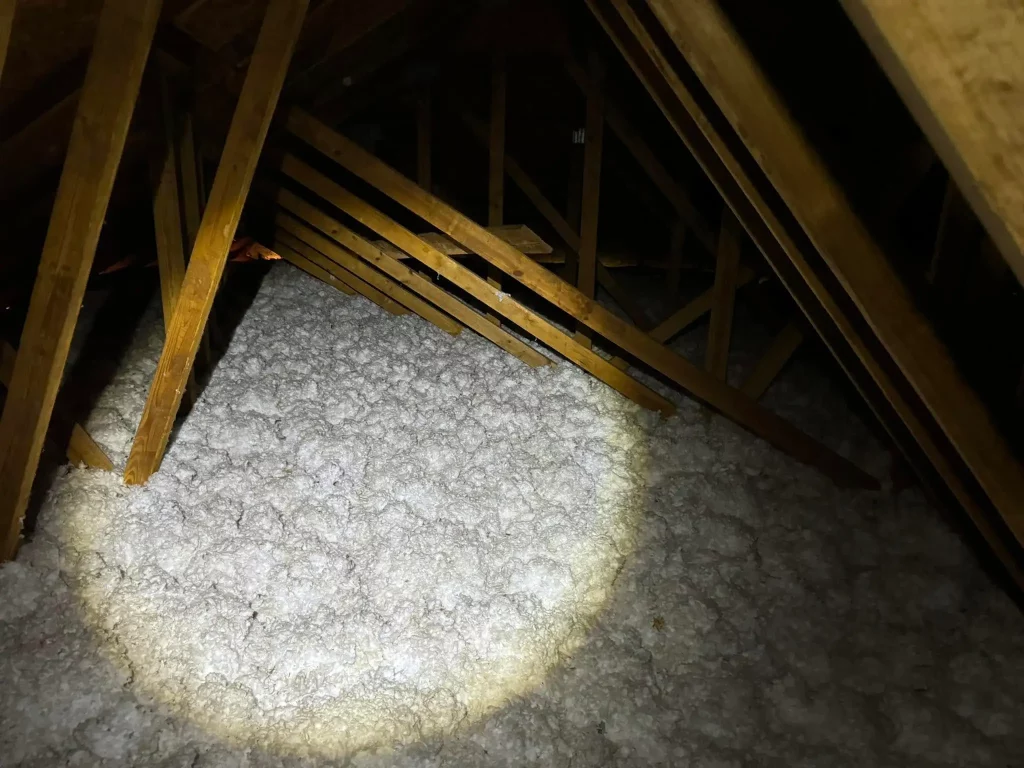
Not every home needs spray foam in every cavity, but understanding where it delivers the most value helps prioritize the investment.
| Home Scenario | Recommended Approach | Key Reason |
|---|---|---|
| Older home with drafty rooms | Closed-cell spray foam in attics, rim joists, and crawl spaces | Seals the largest sources of air leakage in older construction |
| New construction | Spray foam in walls and attic for maximum efficiency | Achieves code requirements with less material and provides built-in air barrier |
| Retrofit with existing fiberglass | Add spray foam to rim joists and crawl spaces; supplement attic | Targets the weakest points without removing existing wall insulation |
| Homes with moisture concerns | Closed-cell spray foam in crawl spaces and basements | Acts as a vapor barrier, preventing moisture intrusion and mold risk |
| Budget-conscious retrofit | Spray foam in priority areas; fiberglass or cellulose in accessible attics | Concentrates higher-performance material where it matters most |
Choosing the right insulation material and installer matters as much as the material itself. Here are indicators that you are making a sound decision for your Greensboro property.
Spray Foam Pro helps Greensboro homeowners and contractors make informed insulation decisions based on local climate conditions, building science, and the specific needs of each property. Our team evaluates your home’s current insulation levels, identifies air leakage points, and recommends the right spray foam solution for maximum energy efficiency and long-term comfort. Reach out to us at [email protected] or call (910) 606-6247 to discuss your project.
Request a Free Quote | Schedule an Energy Assessment
Yes. Spray foam provides a higher R-value per inch and seals air gaps during installation, which fiberglass cannot do. More than 30% of conditioned air can escape through gaps in fiberglass installations, according to comparative research on residential insulation performance.
Greensboro is in Climate Zone 4, which requires R-49 to R-60 for uninsulated attics and R-20 cavity insulation plus R-5 continuous insulation for wood-frame walls, per Department of Energy guidelines. The exact target depends on your home’s construction and existing insulation levels.
Yes. Spray foam is commonly retrofitted into attics, crawl spaces, rim joists, and wall cavities of existing homes. Our team can assess which areas of your home would benefit most from spray foam without requiring full wall removal.
Spray foam insulation lasts 80 years or more when properly installed. Unlike fiberglass, which can sag, settle, or lose R-value when exposed to moisture, spray foam maintains its shape and thermal performance over its full lifespan.
Yes. When spray foam creates a more airtight building envelope, controlled mechanical ventilation becomes important to maintain indoor air quality. Our team evaluates ventilation needs as part of every insulation assessment to ensure your home stays both efficient and healthy.