
Spray Foam Pro provides spray foam insulation in Greensboro, NC, for homeowners, builders, and commercial property owners who want to stop air leaks and keep indoor temperatures steady. We install open-cell and closed-cell spray foam in attics, walls, crawl spaces, metal buildings, and new construction. When fiberglass, mineral wool, or batt insulation suits a space better, we install those too. This matters in a city with hot, humid summers and cold winter nights, where a leaky attic or damp crawl space raises energy use all year. Every project starts with a free quote.
Greensboro sits in North Carolina's Piedmont, and Guilford County is classified as ASHRAE 169-2006 Climate Zone 4A, a mixed-humid zone where buildings need both heating and cooling. City data lists an average annual high of 68.5°F, an average annual low of 47.7°F, and 41.23 inches of average annual precipitation, according to the City of Greensboro.
Those conditions push on a building from two directions. In summer, heat builds up in vented attics where ductwork often runs, and humid outdoor air carries moisture into vented crawl spaces. In winter, heated air escapes through gaps at top plates, rim joists, and plumbing penetrations. Spray foam handles both problems because it insulates and air-seals in one application, and closed-cell foam also resists moisture in crawl spaces and foundation areas.
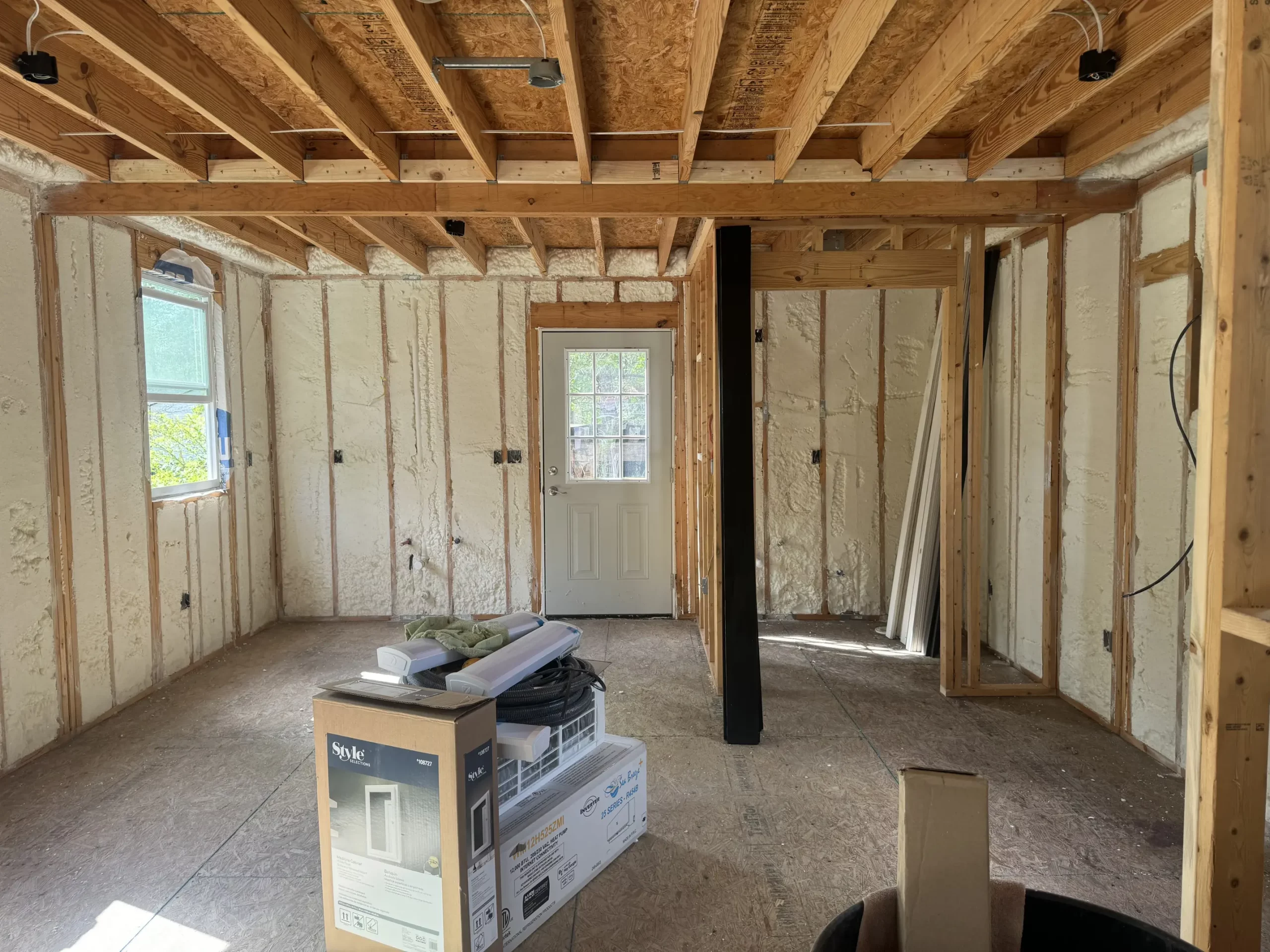
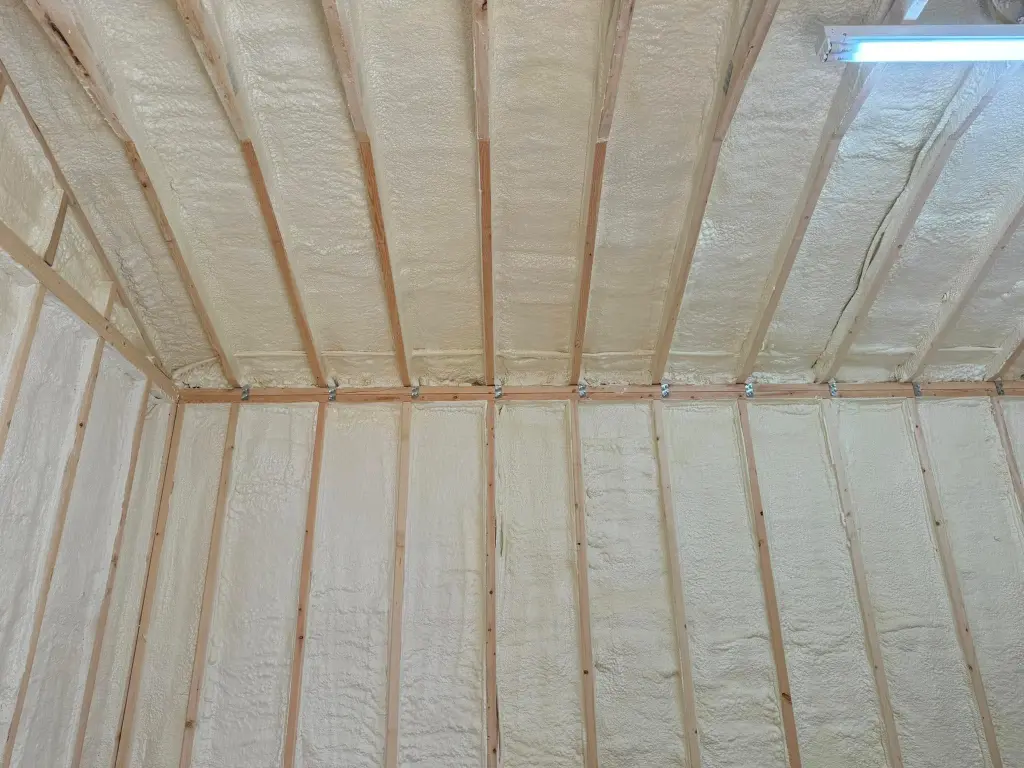
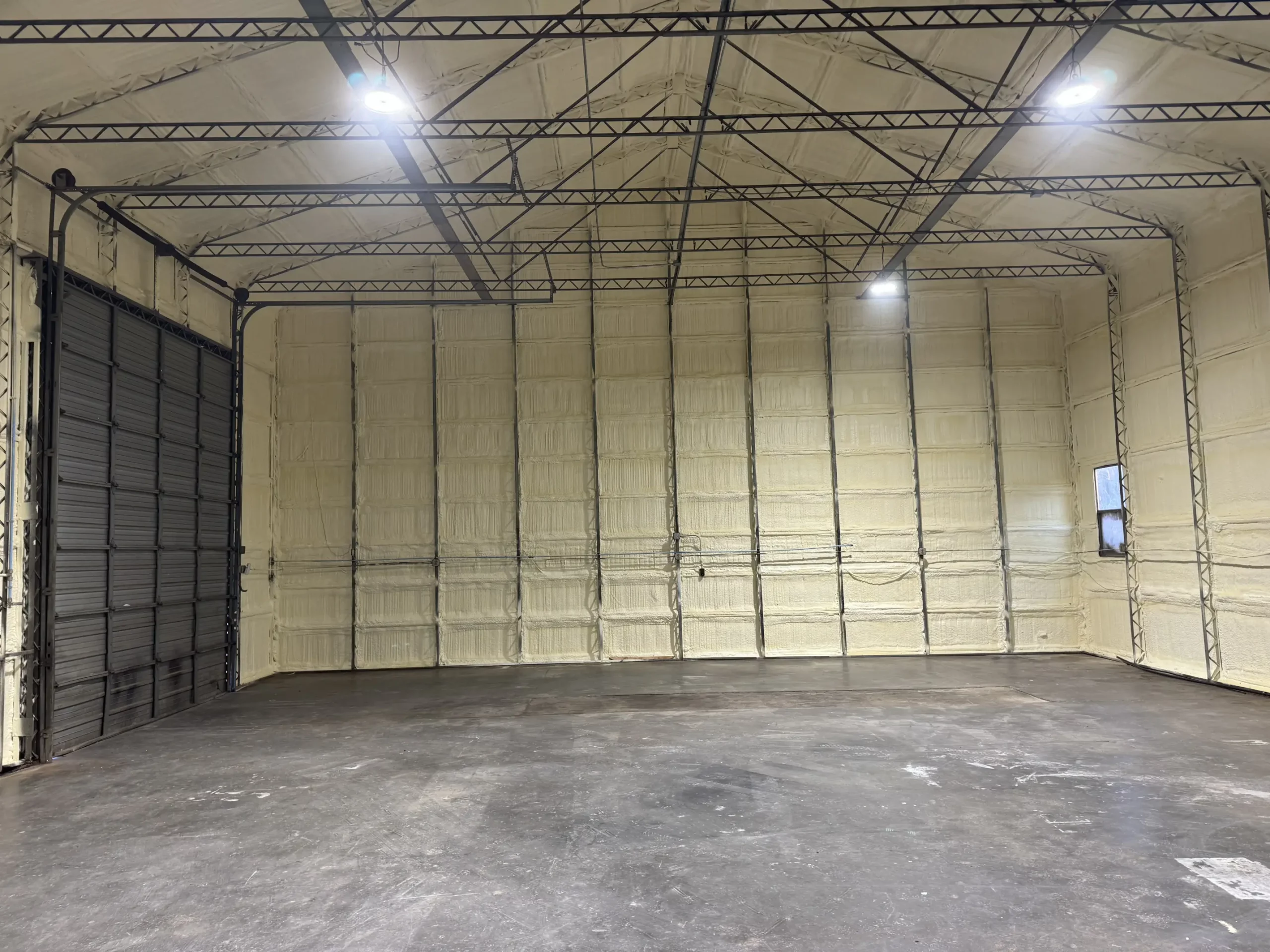
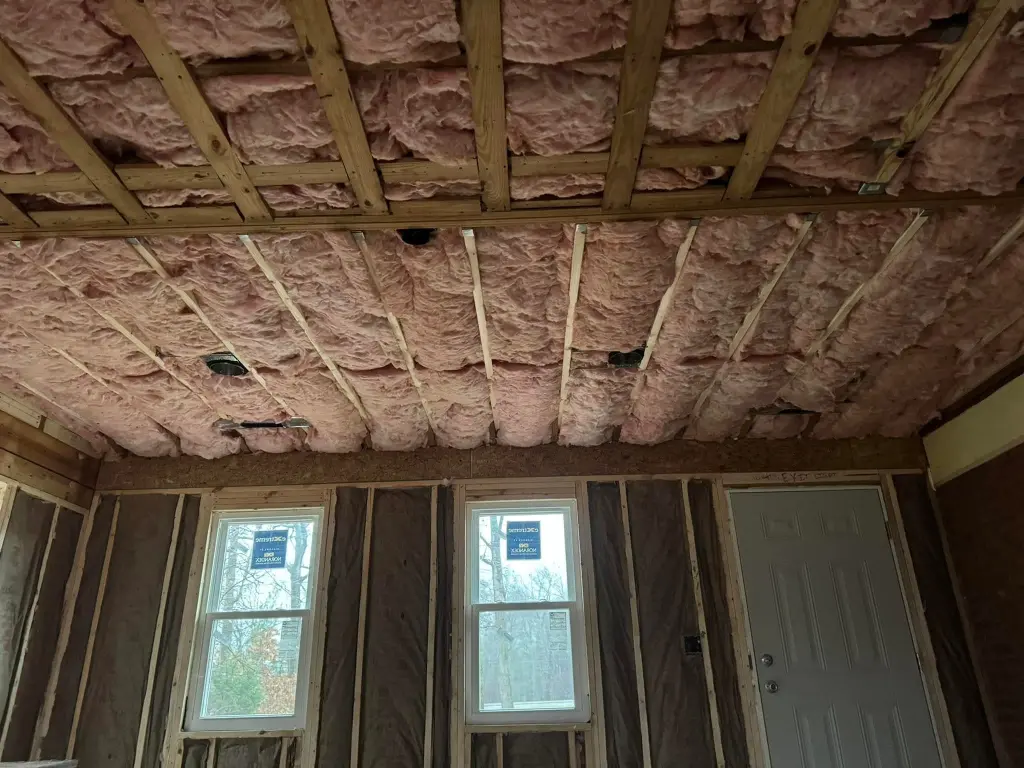
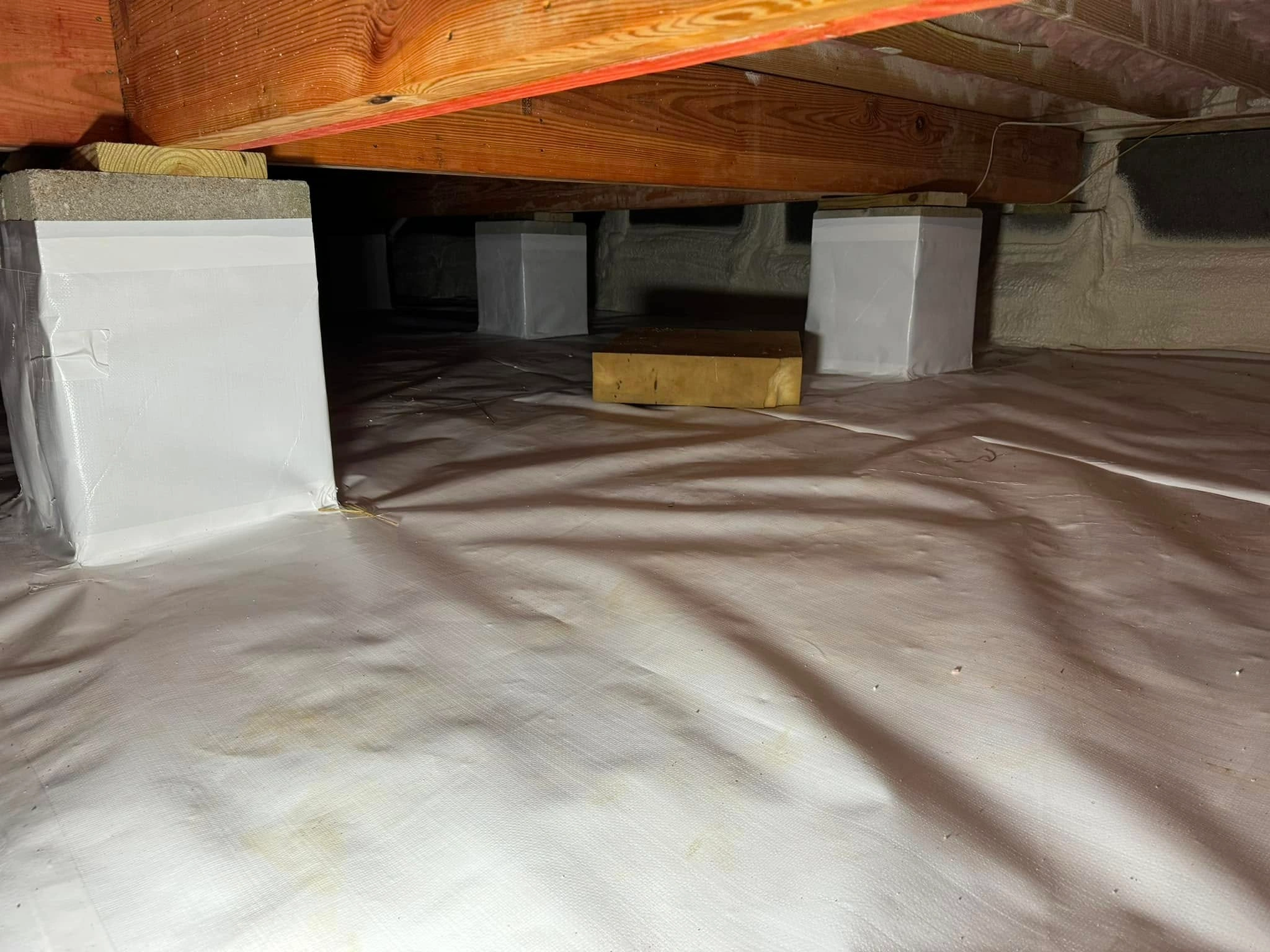
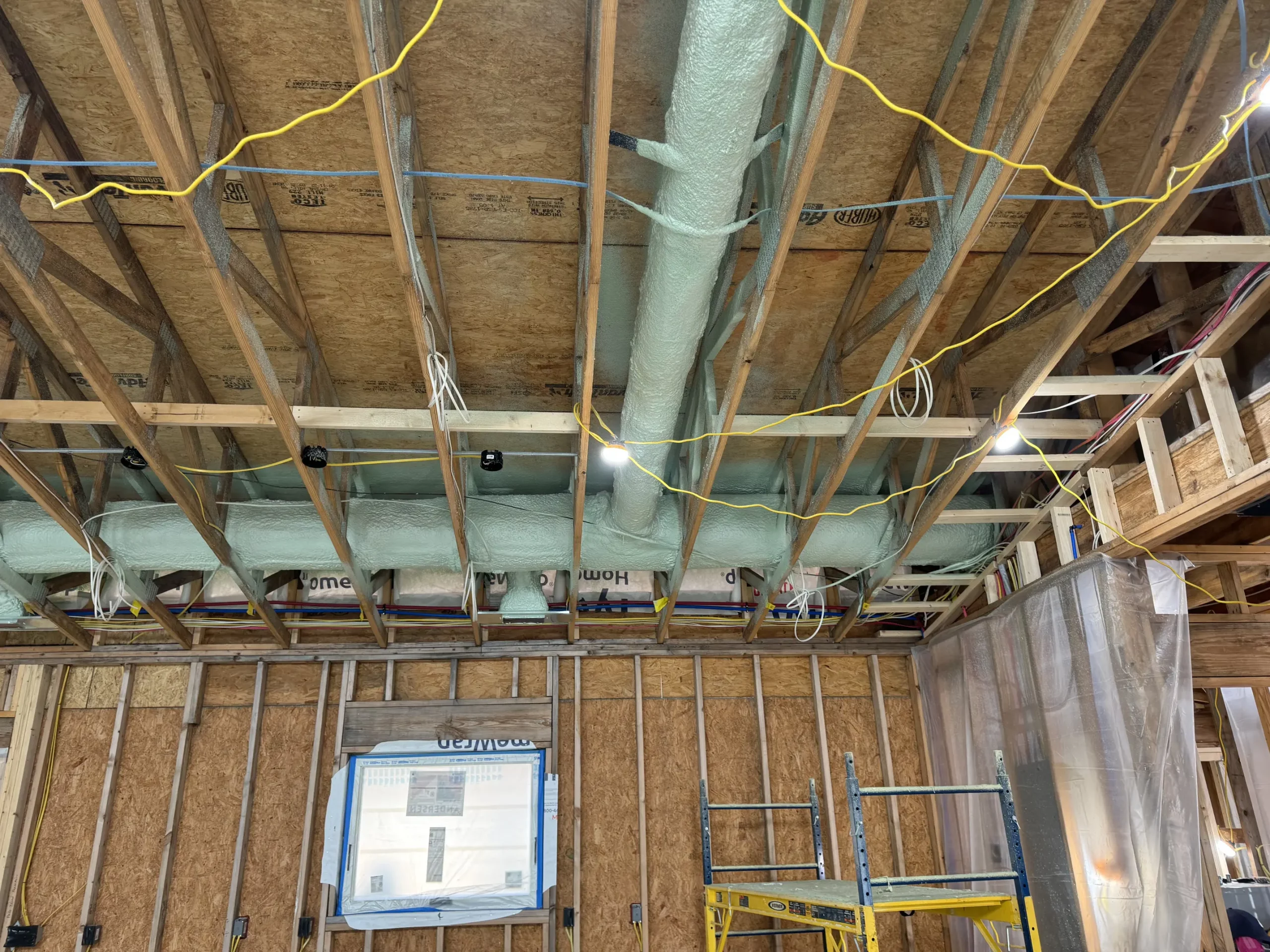
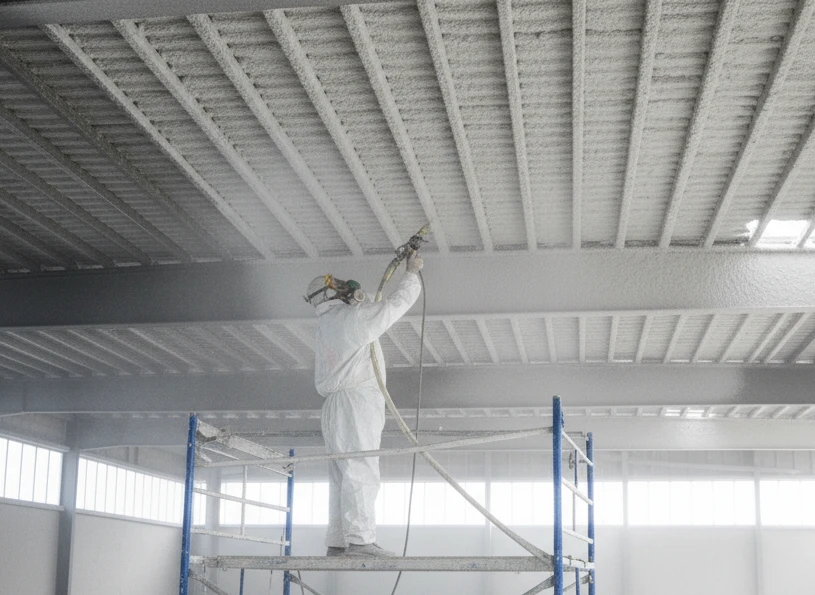
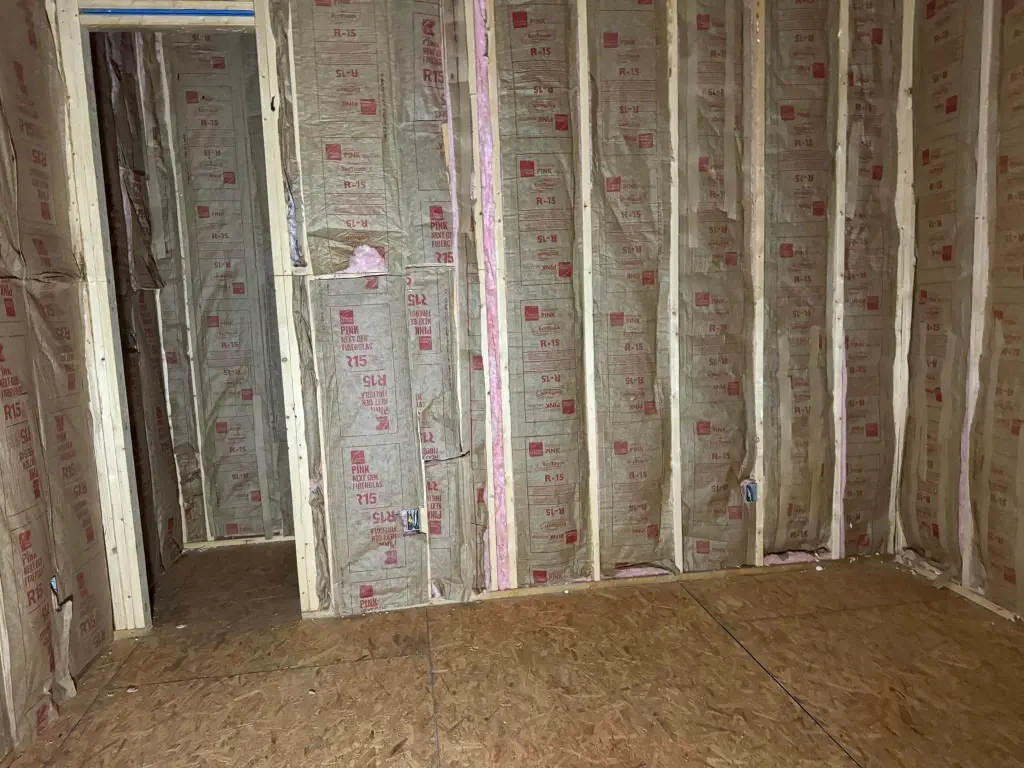
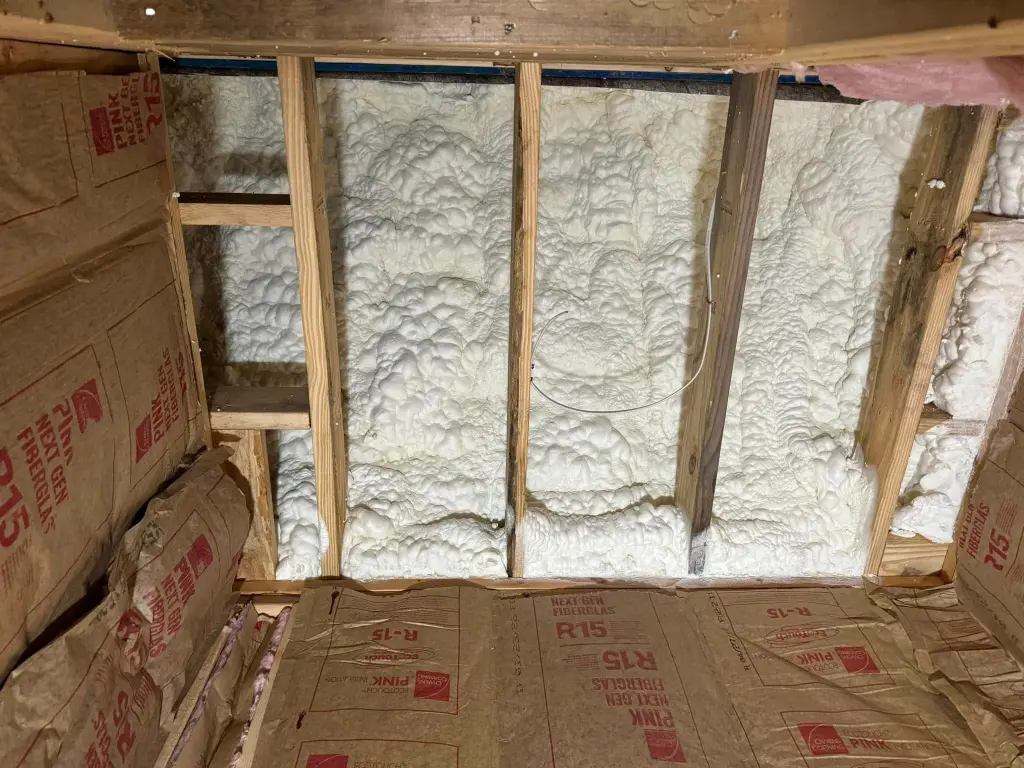
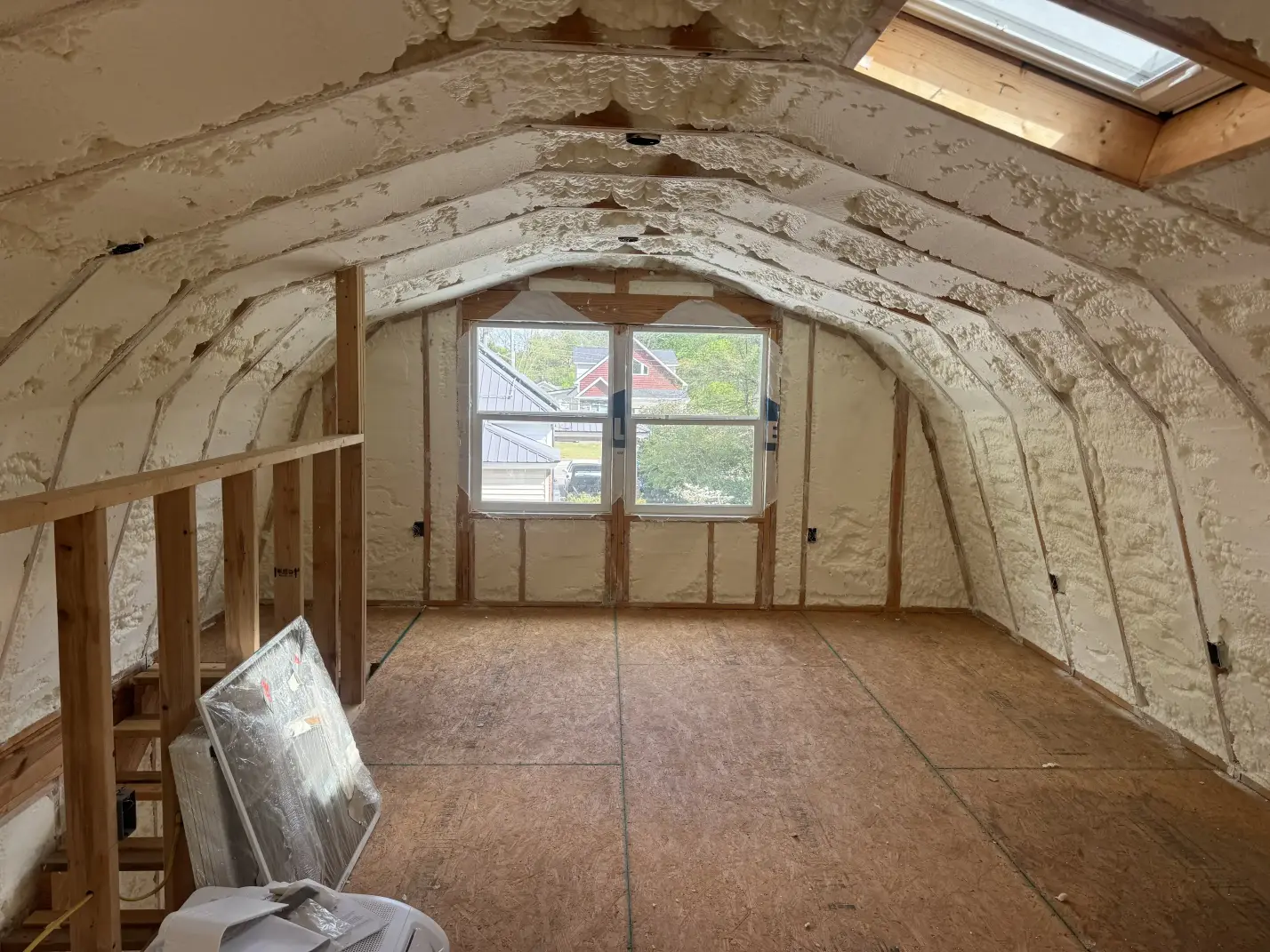
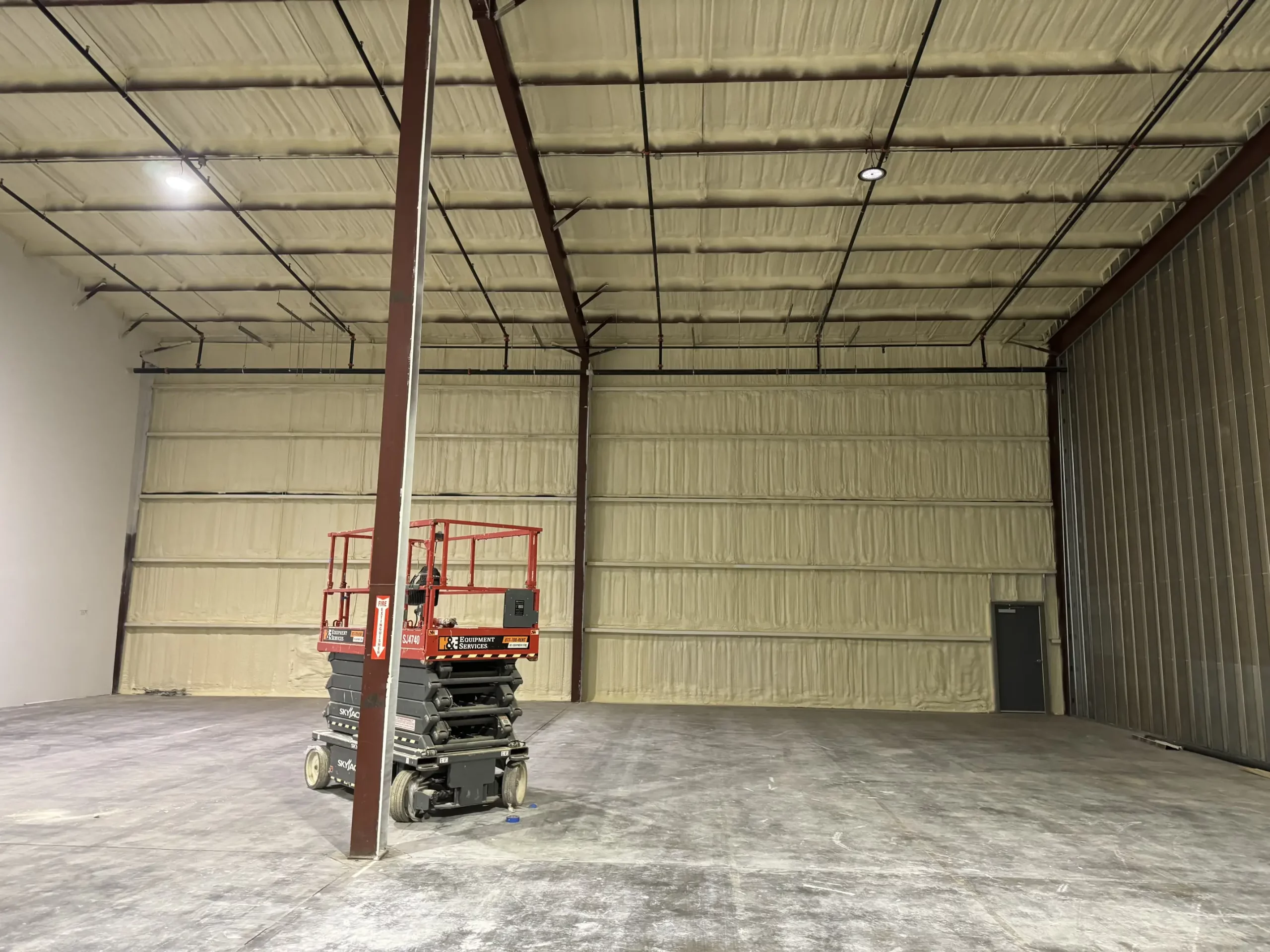
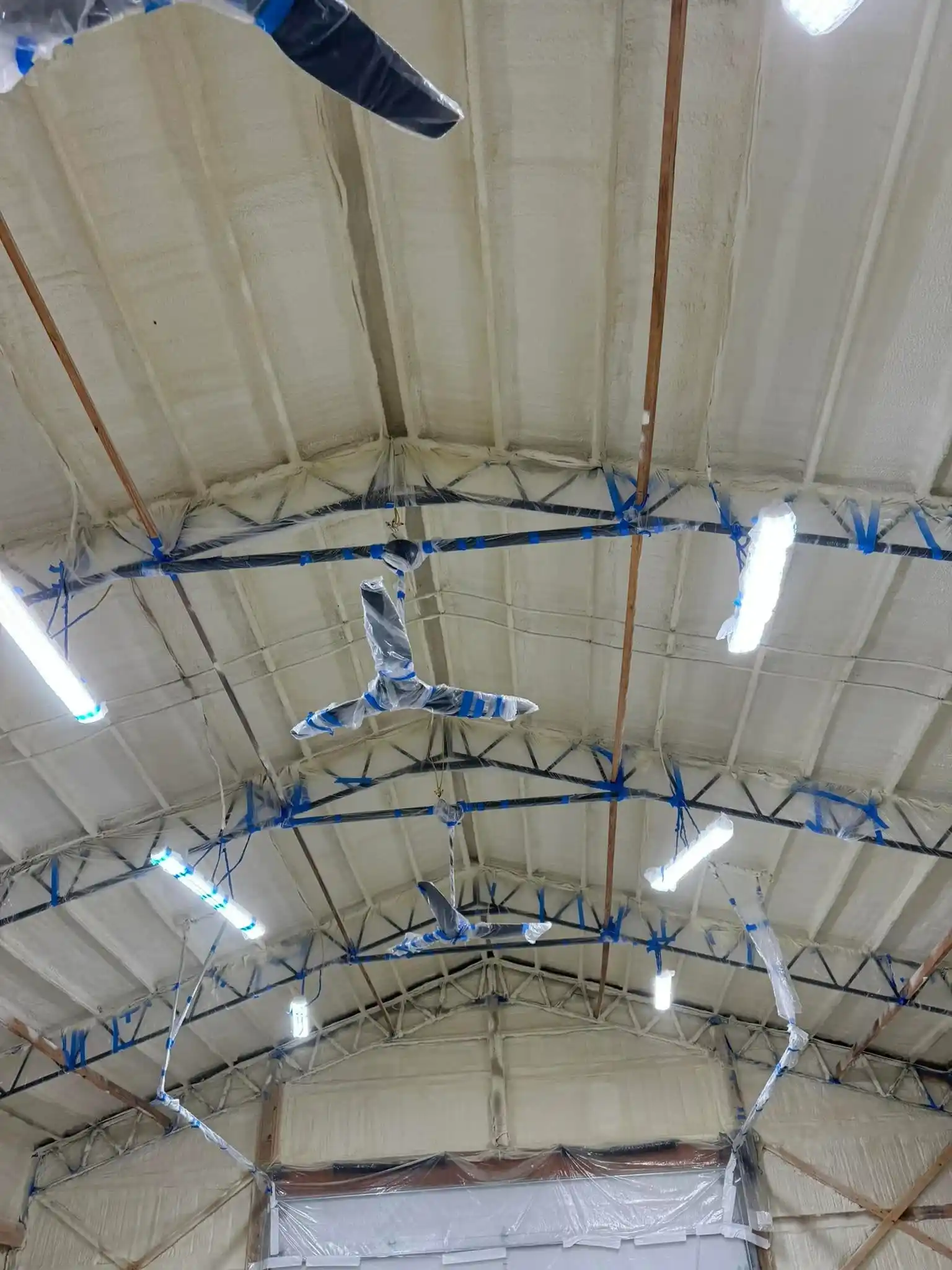
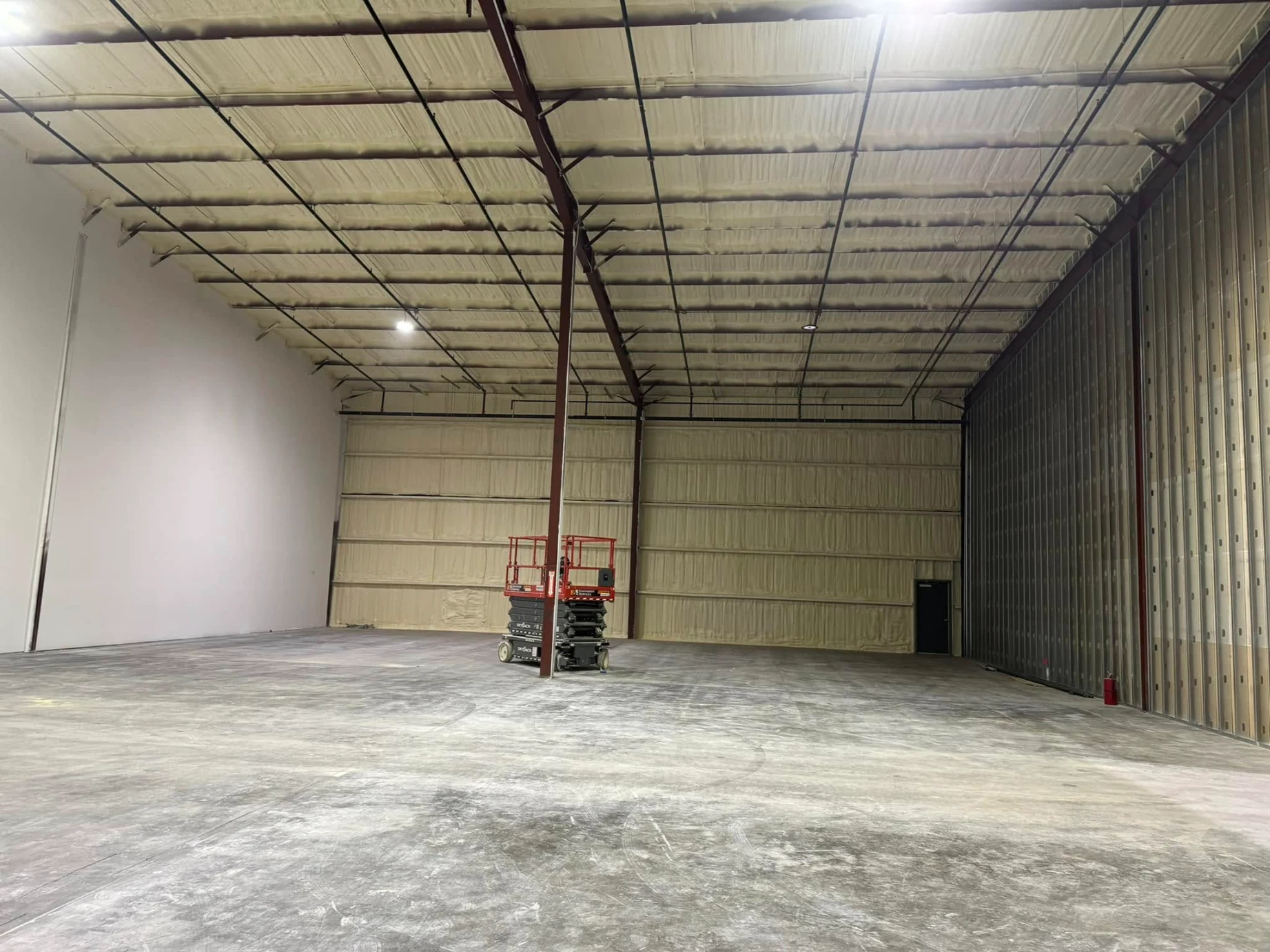
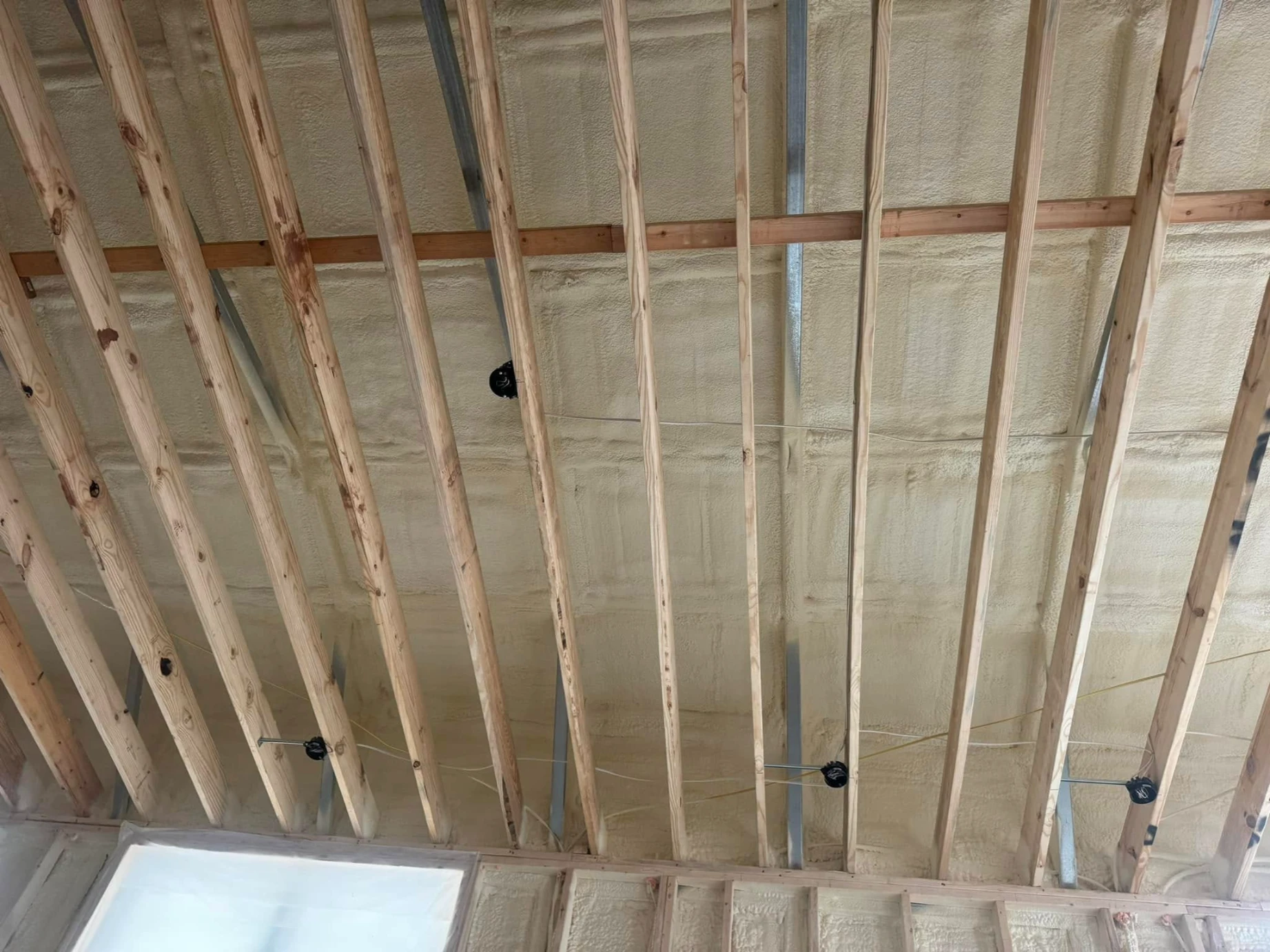
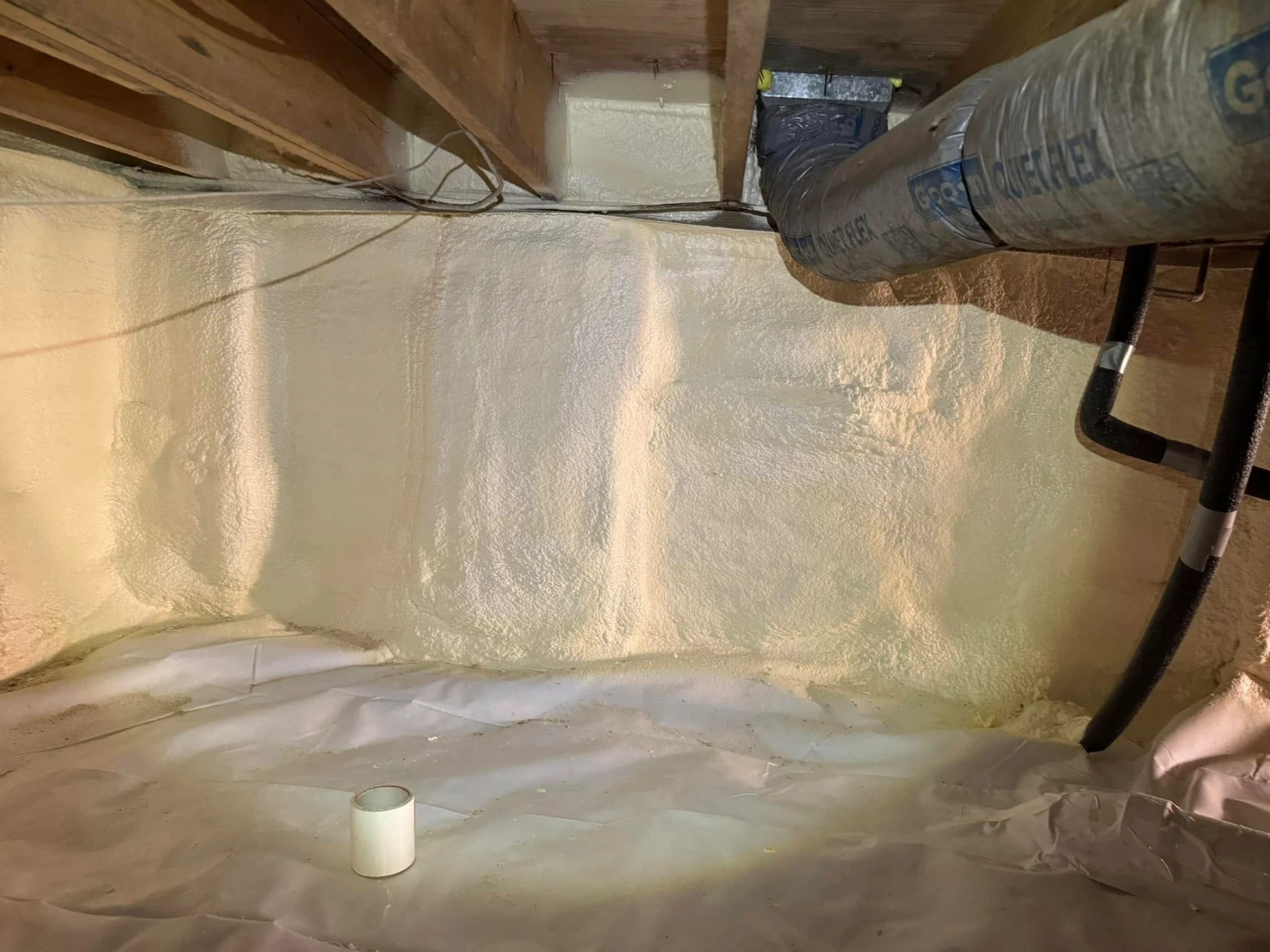
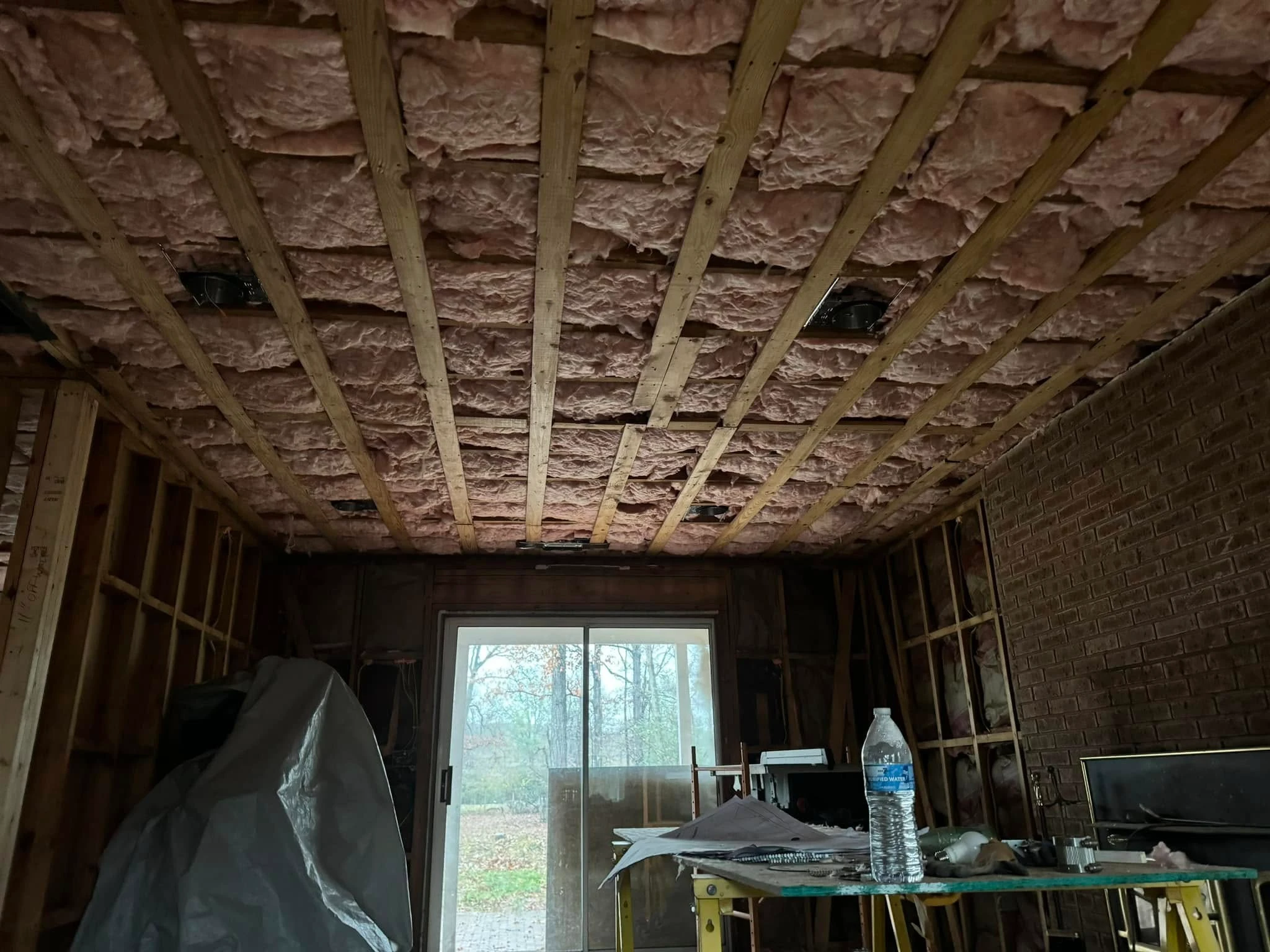
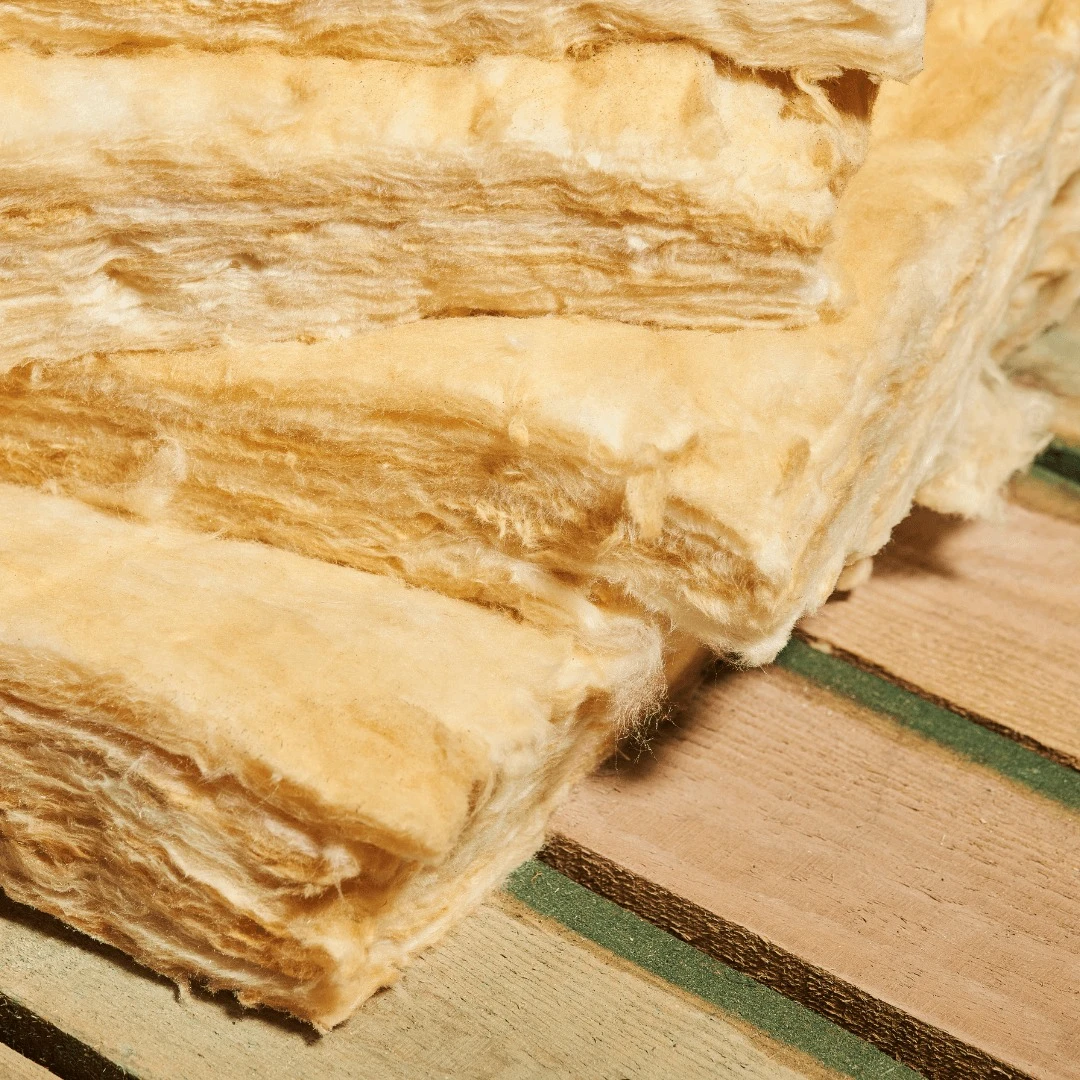
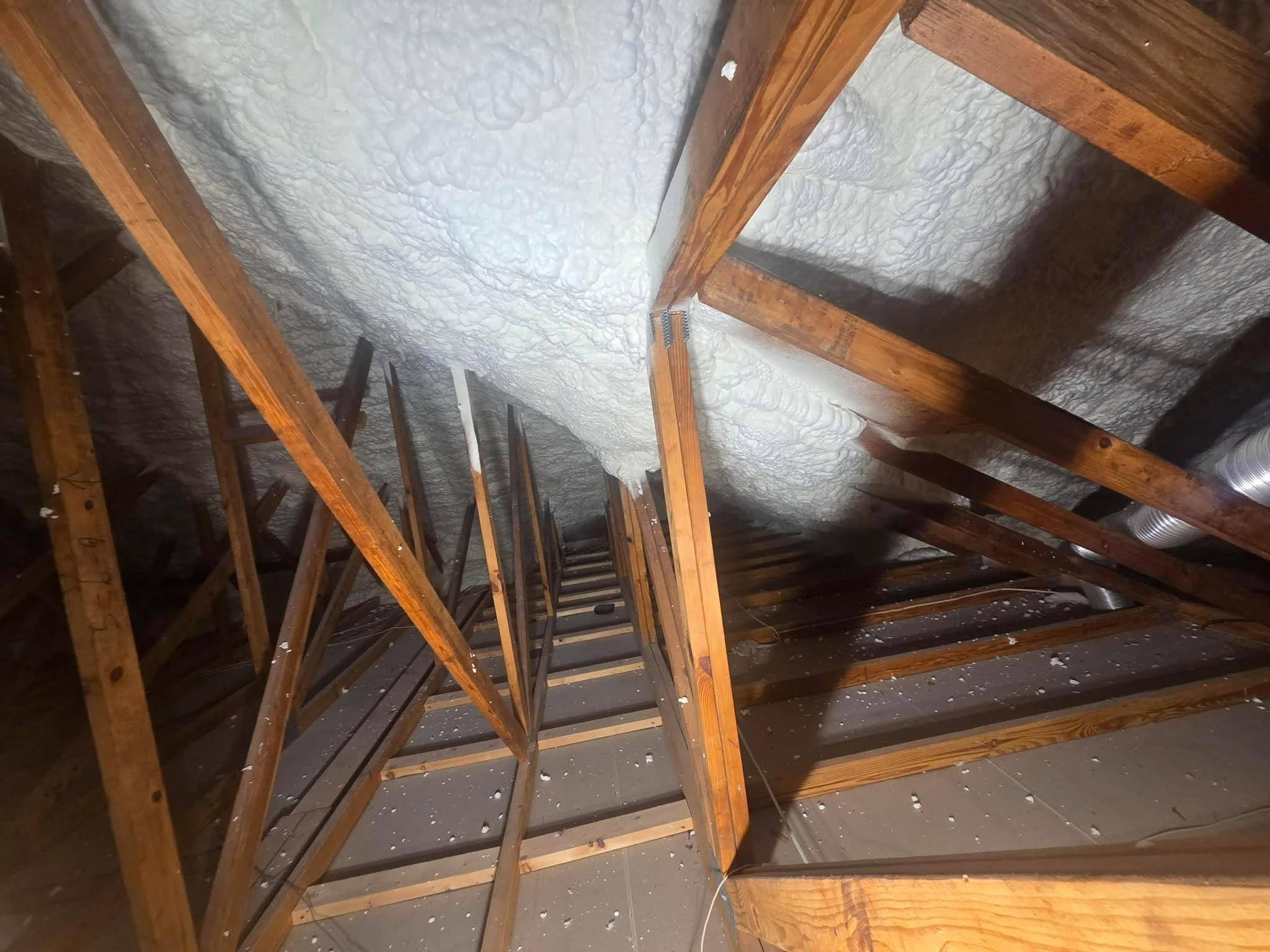
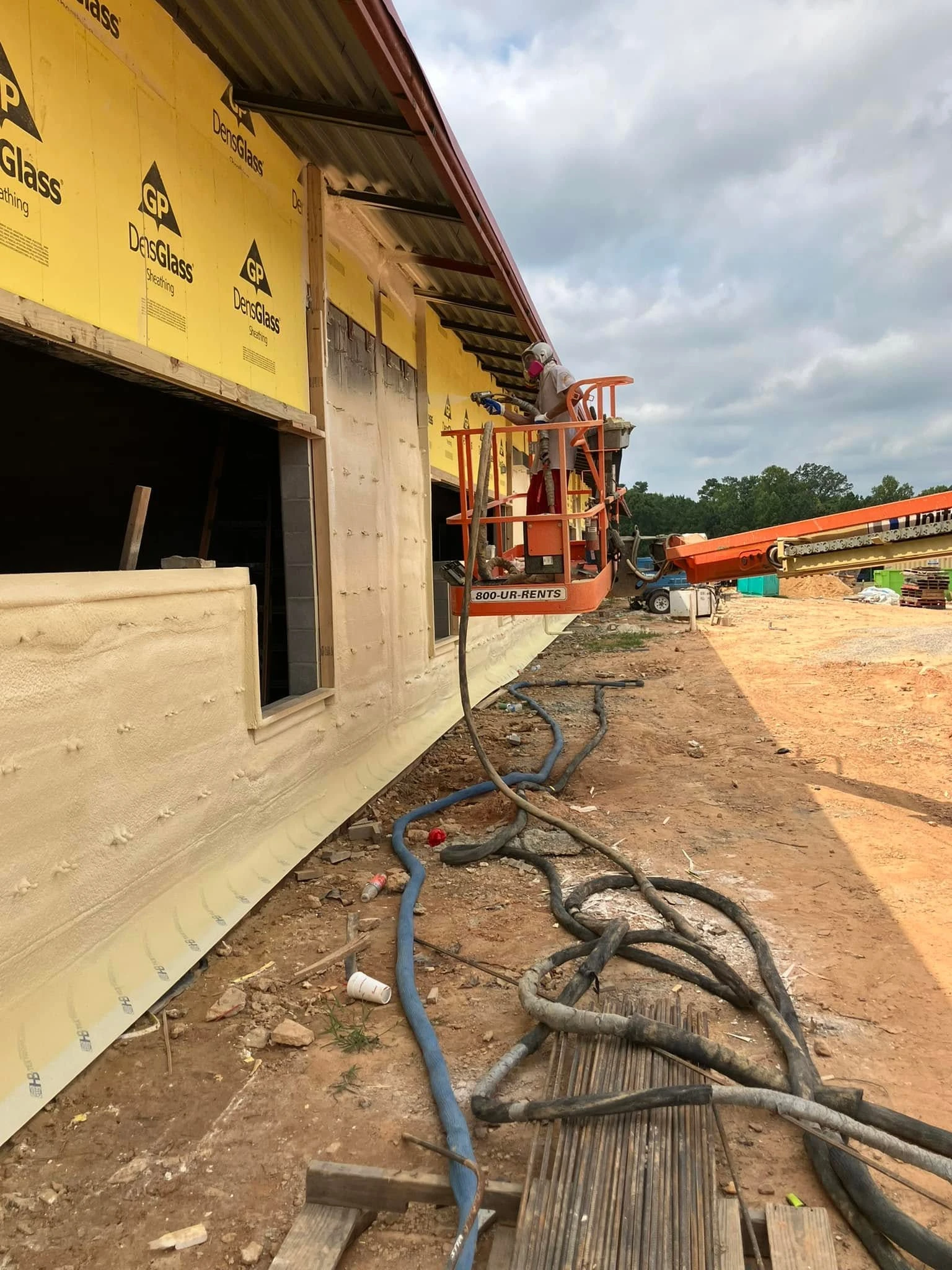
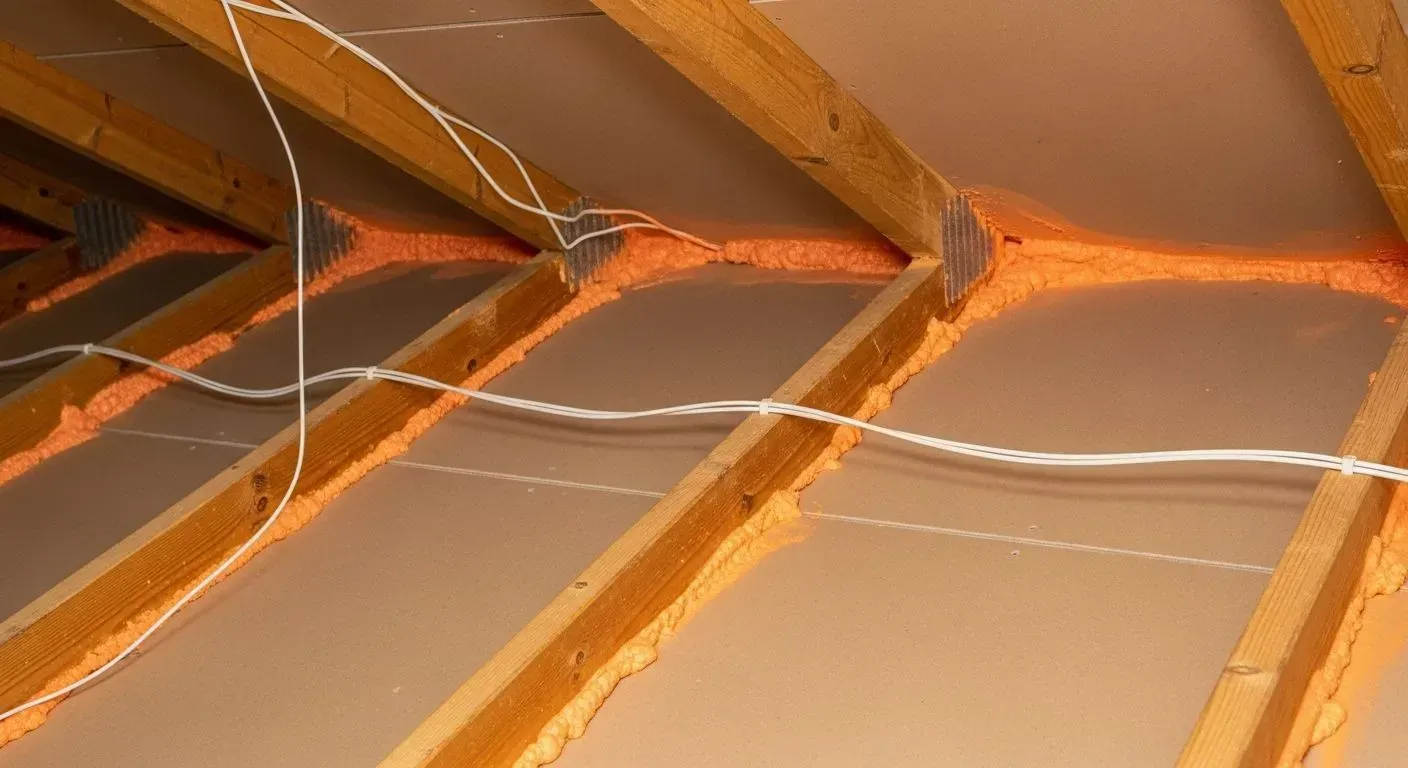
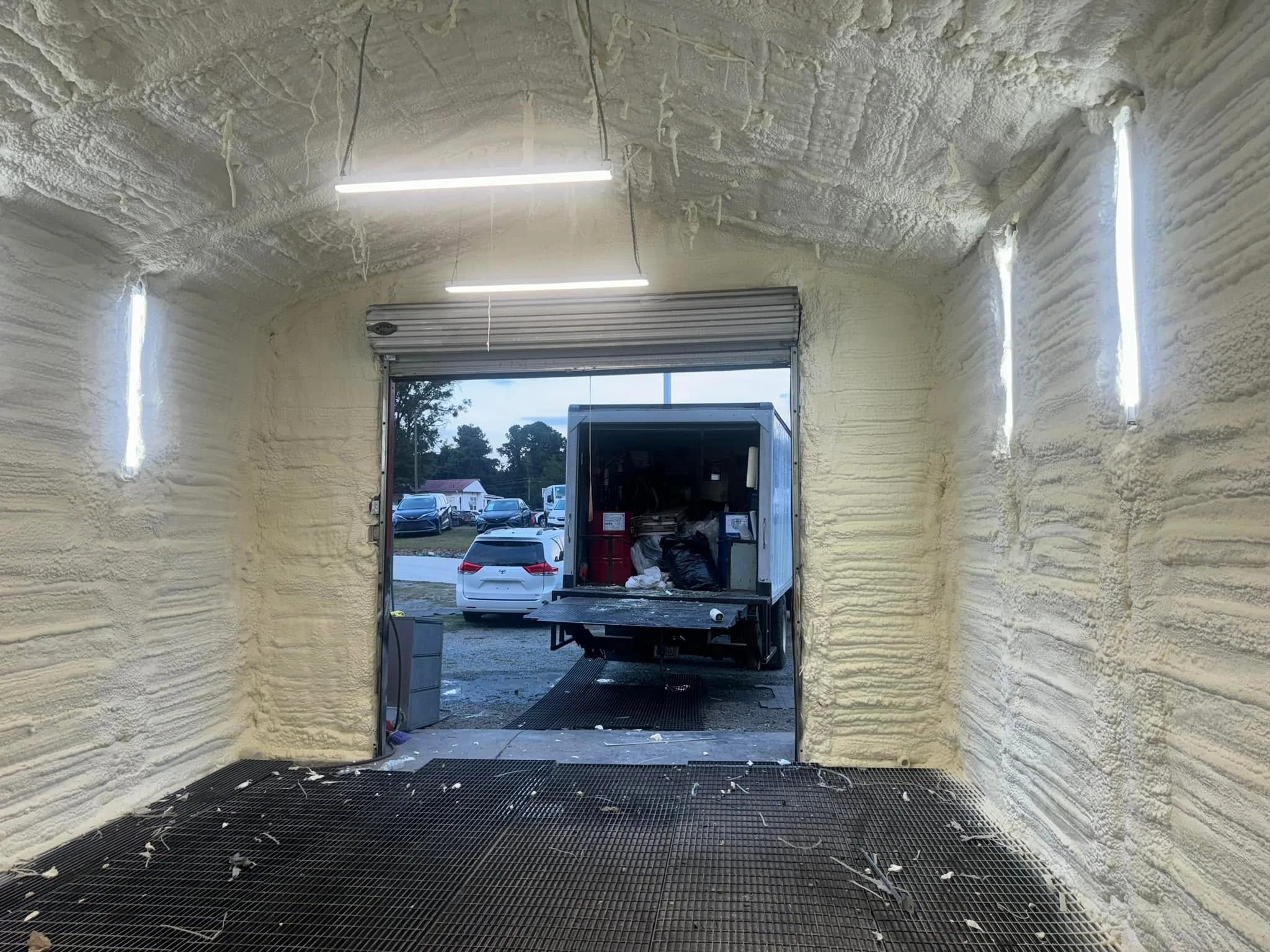
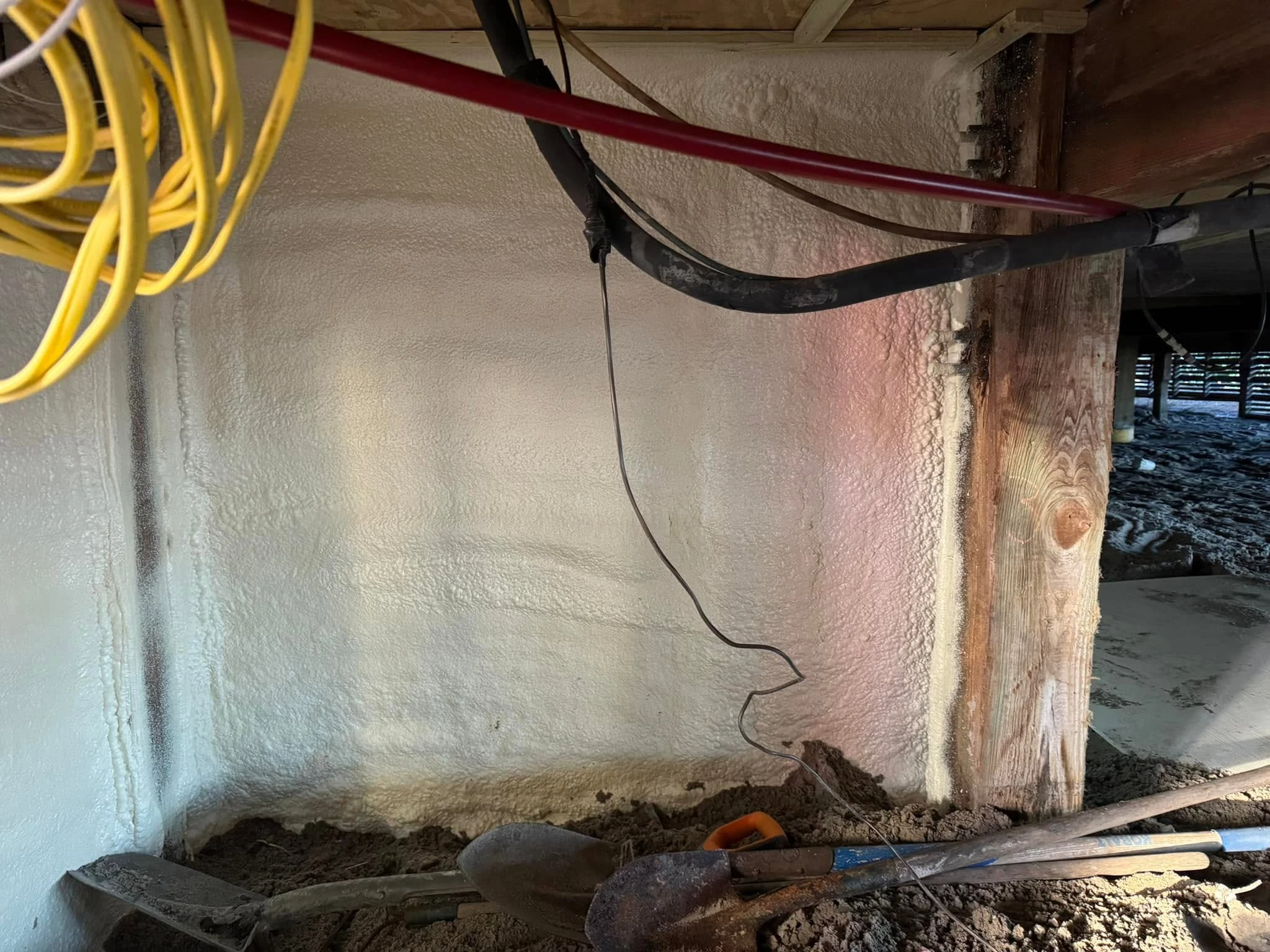


Tell us what you are insulating, whether it is a 1980s attic, a new build waiting on inspection, or a metal shop. We will look at the space and give you a free quote for the spray foam insulation services that fit it.
If your upstairs rooms stay hot in July, your floors feel cold in January, or your crawl space smells damp, the cause is often air leakage and missing insulation. Call Spray Foam Pro at (910) 606-6247 or email [email protected] to set up your free quote. We will review the space and recommend the right insulation for your home, building, or commercial property.
North Carolina allows R-25 at the roof deck in Climate Zone 4 for qualifying unvented attics, instead of the standard R-38.
In living spaces, yes. It usually needs a thermal barrier such as drywall. Service-only attics and crawl spaces may only need an ignition barrier.
It is priced by the board foot and depends on foam type, thickness, and access. Call for a free quote.
No. Standard spray foam needs open cavities. Closed walls need injection foam or dense-pack insulation.
Often after about 24 hours, but follow the product's re-occupancy time.
Only after moisture is addressed. Vents, liner, and moisture control should be reviewed first.


