
If one room in your home always feels colder, you notice a draft around a window, or your HVAC keeps running without making the house comfortable, there may be air leaks you can’t see. And if you’re thinking about air sealing, the first question is probably simple: How much will it cost?
There is no set price for every home. The cost depends on how much sealing your home needs and where the leaks are. In this guide, we’ll explain the typical cost, what can affect the price, and when air sealing is worth it.
Need a price for your home? Spray Foam Pro can take a look, find the problem areas, and give you a clear estimate.
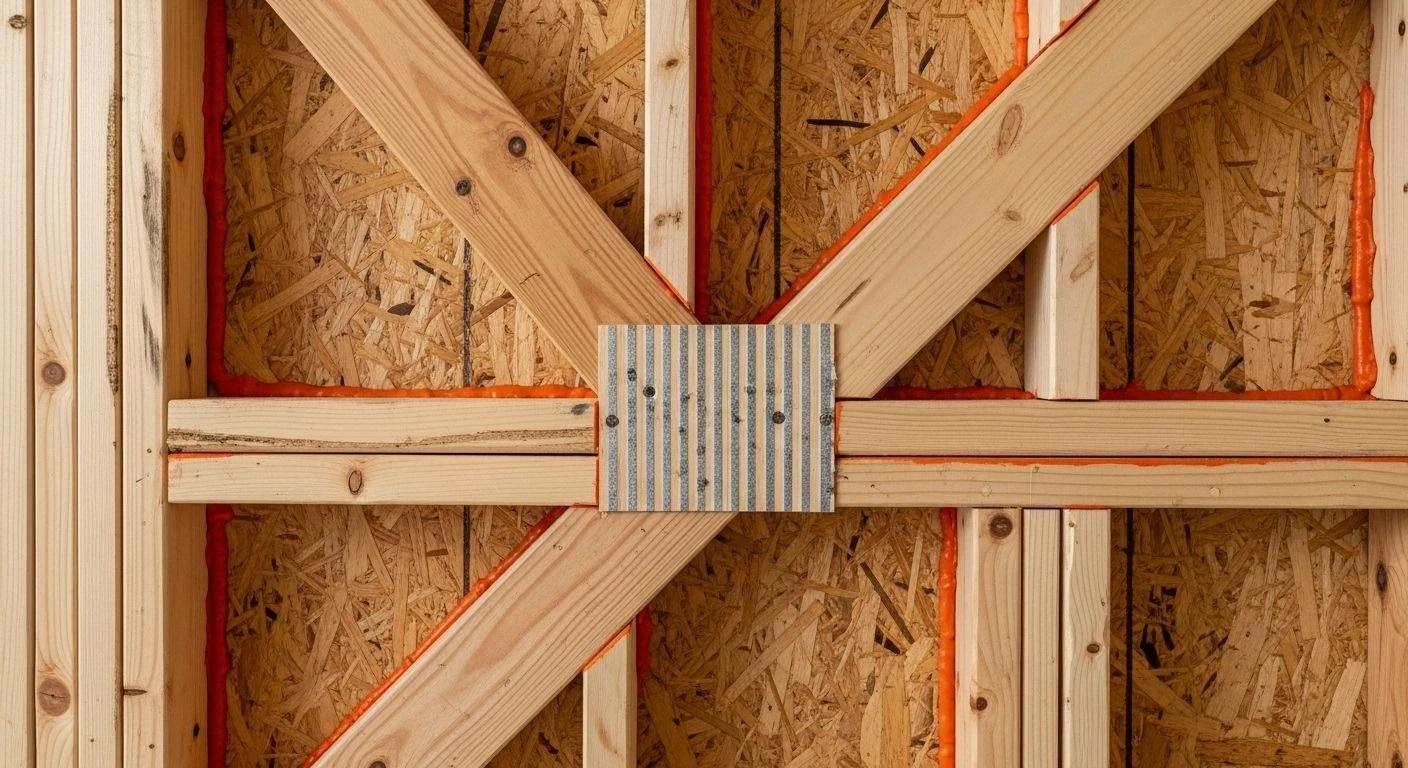
People mix up air sealing and insulation, but they’re not the same job. Insulation slows heat moving through your walls, floors, and attic. Air sealing closes the actual gaps where air moves in and out around a plumbing stack, where the attic meets an exterior wall, behind an outlet nobody sealed. A house can be packed with insulation and still leak like a sieve, because insulation was never built to stop moving air the way caulk or foam does. Together they form the building envelope, the barrier meant to keep your conditioned air in and everything else out. A spray foam insulation contractor can help address these air leakage points while improving the overall performance of the building envelope. Every gap in it is air you already paid to heat or cool, gone for free.
That’s not just an annoyance you get used to; it costs money every month it goes unfixed. Drafts by the baseboards, a room that never feels right, an HVAC that won’t shut off: that’s a leaky envelope at work, not bad luck.
The smallest, most visible fixes cost almost nothing. Caulking around trim, tucking foam gaskets behind outlets, and weatherstripping a door you’re looking at a few dollars up to a couple hundred in materials. Professional work runs higher, and that’s not padding: it covers labor, awkward-to-reach spots, and heavier-duty materials, like spray foam at a rim joist.
| Project type | General cost range | What it may include |
| DIY air sealing | $50–$300 in materials | Caulk, weatherstripping, foam gaskets, small foam kits for visible gaps |
| Targeted professional sealing | $300–$1,200 | A few accessible leak points: rim joists, attic penetrations, obvious gaps |
| Whole-home air sealing | $1,000–$3,000+ | Multiple leak areas, more labor, attic and crawl space work |
| Air sealing plus insulation | $2,500 and up | Sealing done as part of a broader attic or crawl space insulation project |
Treat these as starting points, not quotes. A home with an open, easy-to-walk attic tends to land on the low end. A tight crawl space, or a house that’s grown through a few additions over the years, pushes the number higher; labor time drives the price far more than square footage does.
Square footage gives you a rough idea, but it’s not the whole picture. A 2,000-square-foot house with a simple, open attic can genuinely cost less to seal than a smaller home with a chopped-up layout and decades of add-ons.
Where the leaks are matters just as much as how many there are. Attic bypasses, rim joists, and the areas around ducts, plumbing, and wiring tend to be the biggest culprits; sealing a couple of major spots often matters more than chasing dozens of tiny ones. Accessibility plays a role too: a walkable attic is a completely different job from an eighteen-inch crawl space you have to army-crawl through. And if the existing insulation has to be pulled back to even reach a leak, that’s extra labor a newer, well-installed job wouldn’t need in the first place.
Scope is the last factor. Sealing on its own, targeting a handful of problem spots, costs less than sealing bundled into a bigger attic insulation project, even though doing both together, in that order, is usually the smarter move long-term.
Not every draft means the same thing, so it’s worth knowing what to actually watch for: cold spots that don’t line up with what the thermostat says, energy bills that feel too high for the size of your house, visible gaps around attic or crawl space penetrations, and rooms that just never feel comfortable no matter what you do.
Older homes tend to show these signs more often, simply because they were built to different standards decades ago and have had time to settle and shift. None of that tells you exactly where the leaks are, though a blower-door test, which slightly depressurizes the home to reveal where air is actually moving, gives you a far more precise answer than guesswork ever could.
That really depends on the house. A home with obvious drafts, an older build, and bills that seem out of proportion to its size is a strong candidate. A newer, tight home with no real complaints probably doesn’t need to be a priority right now.
Climate plays into it too. North Carolina summers run long and humid, and winters still call for real heating; an HVAC system fighting constant leakage works overtime for more of the year here than it would somewhere milder. No one can promise you’ll recoup the cost in exactly three years or five, but the flip side holds as well: doing nothing has a cost, even if it never shows up as its own line on a bill.
How long you plan to stay in the house matters, too. If you’re settling in for the long haul, the comfort and efficiency benefits compound year after year. If you’re planning to sell soon, it’s more about weighing the work against what a buyer or inspector might flag during a walkthrough.
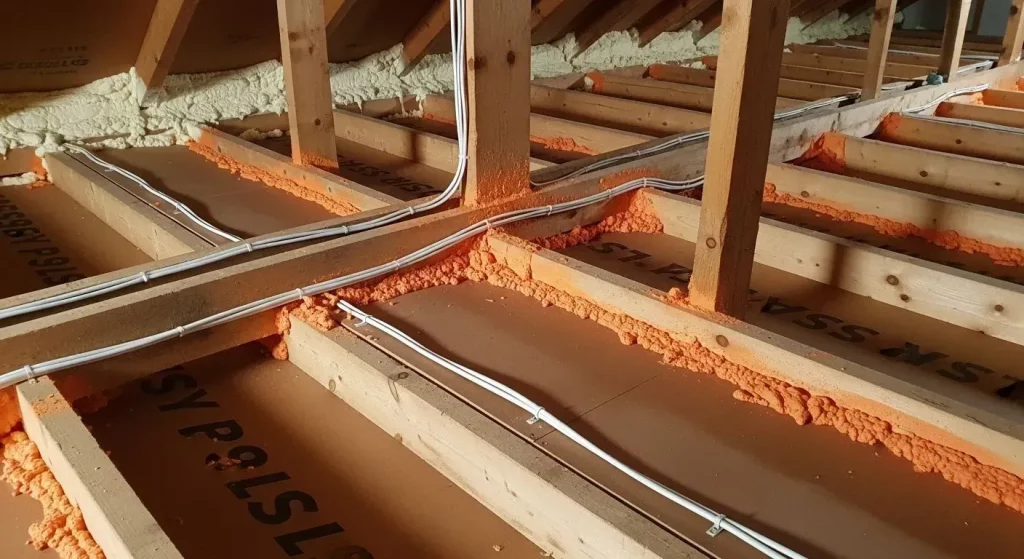
A good estimate should go beyond square footage. A contractor should inspect your attic and crawl space, review your existing insulation, and explain whether you need targeted repairs or more extensive work. Ask what areas will be sealed, which materials will be used, and whether moving insulation is included.
Duke Energy may offer insulation and energy-efficiency rebates in North Carolina, but availability changes, so check current programs directly. The federal insulation and air-sealing tax credit has also expired as of 2026.
Spray Foam Pro LLC is a family-owned insulation and air-sealing company in Troy, NC, serving Troy, Charlotte, Fayetteville, Greensboro, and nearby areas. The team offers free consultations and walkthroughs to help homeowners identify air leaks before investing in repairs.
There’s no flat rate for this kind of work. What you’ll actually pay comes down to where your home is leaking, how hard those spots are to reach, and how much of the house needs attention. An honest look at your own problem areas will tell you more than any average you’ll find online.
If you’re ready to stop guessing and find out what your house actually needs, call Spray Foam Pro at (910) 606-6247 and schedule a walkthrough.
Usually somewhere between a few hundred and a couple thousand dollars, depending on where the leaks are and how easy they are to reach. Combining it with insulation work pushes the number up.
Generally, yes, for a targeted job, but they solve different problems, and most homes end up needing both.
Small, visible gaps around outlets and trim are fair game for DIY. Attic work, crawl spaces, and anything near electrical or combustion equipment are better left to a professional.
It can, since it cuts down on air escaping and unconditioned air sneaking in. How much you save depends on how leaky the home was to begin with.
Yes, in almost every case; otherwise, the new insulation just sits over gaps that are still letting air through underneath it.
The federal credit for insulation and air sealing expired at the end of 2025. Some utility rebates, including Duke Energy’s programs, may still apply depending on eligibility, so it’s worth checking current details before counting on one.