
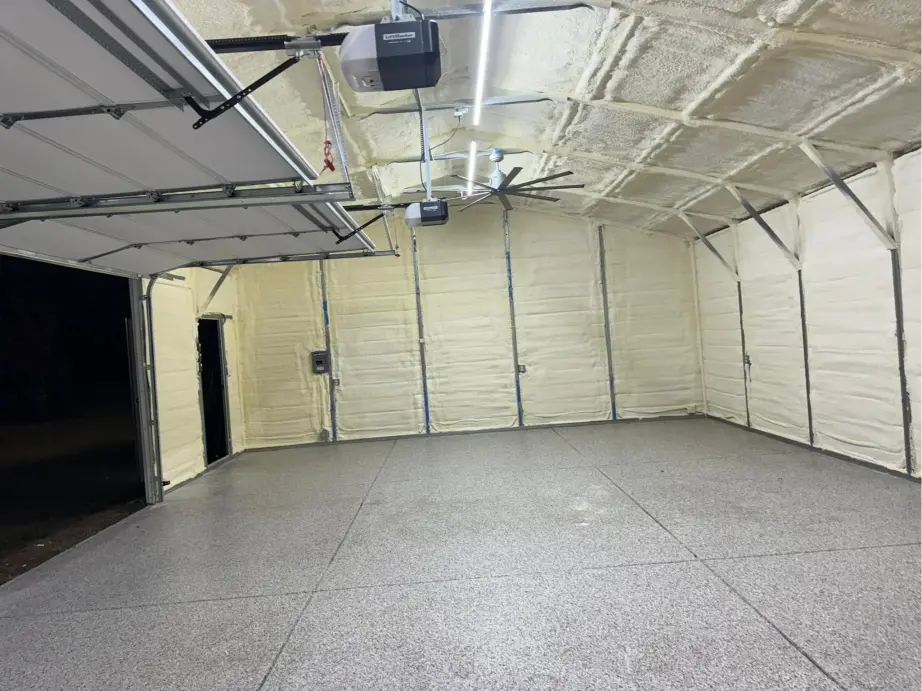
Maintaining spray foam insulation for long-term performance in Southern Pines, NC comes down to three habits: controlling moisture around the foam, protecting it from physical disturbance, and inspecting your roof and building envelope after storms. Cured spray foam does not sag, settle, or decompose the way batt insulation can, so upkeep is less about the foam itself and more about the building around it. The right maintenance plan depends on your foam type, where it is installed, and the age of your home. Our guide to spray foam insulation covers inspection schedules, moisture management, warning signs, and choosing the right professionals.
Spray foam insulation services in Southern Pines, NC can help homeowners address the region’s long, humid summers, which push indoor humidity and air conditioning runtime to their limits. Spray foam’s defining advantage is air sealing, which blocks convective heat transfer in both directions, and DOE studies cited by Wikipedia’s spray foam overview attribute roughly 40% of a home’s energy loss to air infiltration through walls, windows, and doorways. That airtight layer only pays off while it stays intact, dry, and undisturbed. Humidity, roof leaks, and attic traffic are the three things most likely to compromise it here.
Cured foam is stable, so your job is spotting changes in the assembly around it. Once a year, before cooling season, check:
The ENERGY STAR core message is that the key to mold control is moisture control. Residential spray foam insulation can support your home’s thermal performance when properly installed. Their recommendations translate directly to spray foam maintenance: fix plumbing and roof leaks immediately, dry wet materials within 24 to 48 hours, clean and repair gutters regularly, and grade soil so it slopes away from the foundation. Keep humidity between 30 and 50 percent with your HVAC, exhaust fans, or a dehumidifier, and treat condensation on windows or pipes as a warning sign of excess humidity. Foam itself resists mold, but the wood framing it bonds to does not.
| Foam Type | Typical R-Value Per Inch | Maintenance Focus | Weak Point to Watch |
|---|---|---|---|
| Open-cell (half-pound) | Around 3.8 | Confirm full depth, no voids, dry conditions | Not a vapor barrier; roof deck moisture |
| Closed-cell (two-pound) | 5.1 to 6 (LTTR) | Inspect penetrations, flashing, fastener points | Poor installation trapping moisture in roofs |
According to Wikipedia’s spray foam entry, open-cell foam only becomes an effective air barrier at 5.5 inches or more, while closed-cell foam acts as both vapor and air barrier at minimum installed thickness. See our Google reviews for local customer feedback. The UK experience documented there is a useful caution: when foam is applied incorrectly or in damp spaces, it can trap moisture and damage roofs. That risk is managed at installation and then through the moisture habits described above, not by annual “re-treatment.”
| Frequency | Task | Why It Matters |
|---|---|---|
| Monthly | Check indoor humidity and window condensation | EPA advises keeping humidity below 60% |
| Twice yearly | Clean gutters and downspouts | Prevents water backup into roof edges |
| Seasonally | Inspect HVAC drip pans and drain lines | Clogs push moisture into living space |
| Annually | Full attic and crawl space walkthrough | Catches shrinkage, gaps, and staining early |
| After major storms | Roof, flashing, and foam inspection | Wind and rain exploit roof weak points |
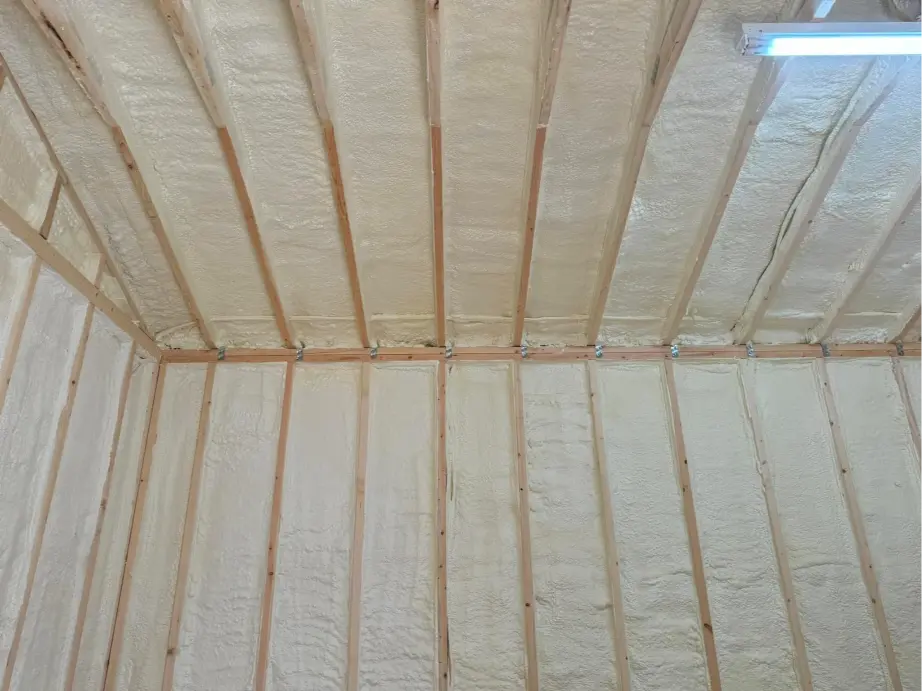
Call us if you notice any of the following, because small moisture problems grow into structural ones:
| Your Situation | Recommended Approach | Key Notes |
|---|---|---|
| Newer home, foam in walls and attic | Annual walkthrough plus humidity monitoring | Verify coverage at all penetrations |
| Older home, retrofitted roof-deck foam | Seasonal attic checks with a moisture meter | Roof leaks are the primary risk |
| Encapsulated crawl space | Quarterly humidity and drainage checks | Keep soil dry and graded away from the foundation |
| Recent storm or flood damage | Immediate inspection, dry everything within 48 hours | Follow EPA cleanup guidance before repairs |
| Preparing to sell or refinance | Gather installation records and condition photos | Documentation simplifies buyer and lender questions |
You are on the right track when communication, documentation, and results all point the same direction:
Our team at Spray Foam Pro helps Southern Pines homeowners keep spray foam assemblies dry, intact, and performing at their rated value, from annual attic assessments to repairs after storm damage. We inspect, document, and explain everything in terms you can act on, and we are one call or email away at (910) 606-6247 or [email protected]. Protect your comfort, your air quality, and your energy savings by requesting a quote or scheduling a moisture assessment with us today.
No, not on a schedule. Cured foam is inert and does not settle, so replacement is only needed after physical damage, roof leaks left wet too long, or a poorly done original installation.
We recommend leaving clearance. Stacked items hide leaks, block airflow, and can compress or tear open-cell foam when dragged across it.
Aim for 30 to 50 percent relative humidity, per EPA guidance. Consistent readings above 60 percent invite condensation and mold at gaps in the envelope.
Fix the leak and dry the area within 24 to 48 hours, then have the affected foam inspected. Wet foam that bonded to damp sheathing should be evaluated before you patch anything over it.
We suggest a professional assessment annually, paired with your own seasonal walkthroughs. Add an extra inspection after any hurricane-remnant storm or major roof repair.