
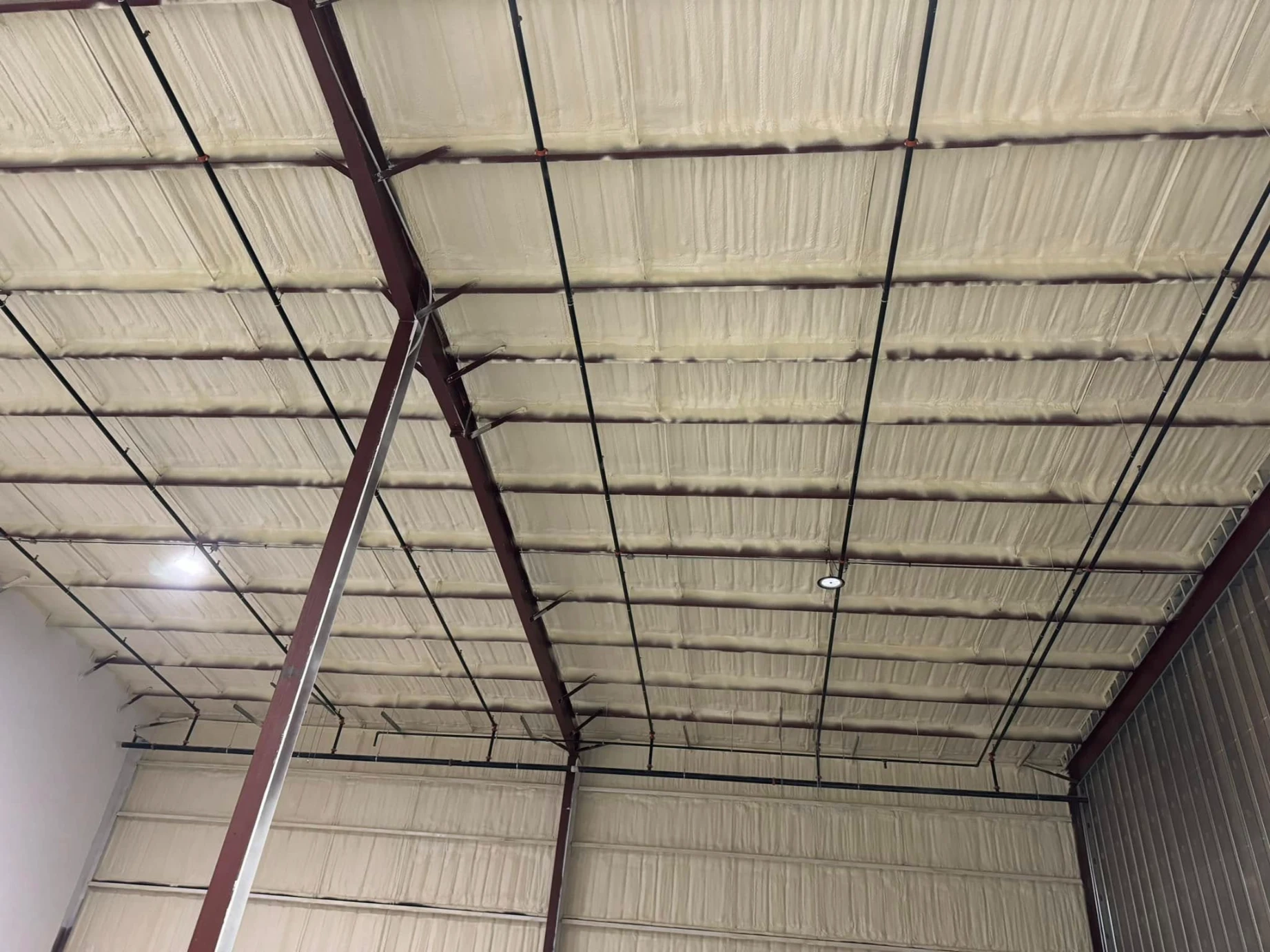
The preferred spray foam insulation partner for construction builders in Troy, NC, is the one who consistently delivers code-compliant installations, understands the specific demands of Climate Zone 3A, and shows up on schedule with the right equipment and a trained crew. Troy sits in Montgomery County within North Carolina’s Climate Zone 3, which means builders face warm, humid conditions that demand insulation products capable of serving as both thermal barriers and moisture vapor retarders. Builders evaluating long-term performance standards often reference a complete spray foam insulation system guide before selecting materials and installation methods. The right spray foam partner helps builders meet or exceed the North Carolina Energy Conservation Code while reducing HVAC load, improving structural durability, and keeping projects on track. Selecting that partner comes down to evaluating five key areas: product knowledge, code familiarity, safety practices, communication, and project reliability.
Troy’s location in Climate Zone 3A (warm and humid) creates specific challenges for builders. Hot summers, high humidity, and mild winters mean that insulation must do more than resist heat transfer. It must also manage moisture, prevent condensation within wall assemblies, and keep conditioned air from escaping through the building envelope.
According to the U.S. Department of Energy, foam insulation offers higher R-values per inch than traditional batt materials and forms an air barrier in a single step. This dual function is particularly valuable in humid climates where unsealed gaps allow warm, moist air to infiltrate wall cavities and create condensation problems that lead to mold and wood decay.
The Spray Polyurethane Foam Alliance notes that spray foam expands to fill cavities, crevices, and gaps, including awkward or hard-to-reach areas. This means fewer thermal bypasses, better overall envelope performance, and less reliance on secondary sealing products during construction.
The 2024 North Carolina Energy Conservation Code sets specific thermal envelope requirements for Climate Zone 3 counties like Montgomery. Builders must comply with these minimums, and spray foam can help meet or exceed them efficiently.
| Building Component | Minimum R-Value Requirement (Climate Zone 3) | Spray Foam Advantage |
|---|---|---|
| Ceilings with attic spaces | R-49 (or R-38 with full coverage) | Closed-cell at the roof deck or open-cell at the attic floor achieves the required values in less thickness |
| Wood frame walls | R-20 cavity, or R-13 + R-5 continuous | Closed-cell foam provides R-6 to R-7 per inch within standard stud cavities |
| Floors over unconditioned spaces | R-19 | Spray foam adheres directly to the subfloor, maintaining permanent contact |
| Crawl space walls | R-5 continuous or R-13 cavity | Closed-cell foam applied to crawl space walls acts as both insulation and a vapor retarder |
| Slab-on-grade edge | R-10 continuous, 2 ft depth | Rigid or spray foam applied at the slab perimeter meets the requirement |
Builders in Troy who work with a knowledgeable spray foam partner can use these code pathways to their advantage. Rather than stacking multiple products to achieve air barriers, vapor retarders, and insulation separately, spray foam accomplishes all three in one application. This can reduce the number of specialized contractors on-site and help keep construction timelines tight while supporting compliance with evolving spray-foam energy code requirements for 2026.
Understanding the difference between the two main types of spray foam helps builders specify the right product for each part of the building envelope.
| Feature | Open-Cell Spray Foam | Closed-Cell Spray Foam |
|---|---|---|
| R-value per inch | R-3.5 to R-3.8 | R-6.0 to R-7.0 |
| Density | Low, spongy texture | High, rigid texture |
| Air barrier | Yes | Yes |
| Vapor retarder | Semi-permeable | Acts as a Class II vapor retarder |
| Moisture resistance | Can absorb water, not for below grade | Resists moisture, suitable for crawl spaces and basements |
| Structural strength | Minimal | Adds racking strength to wall assemblies |
| Best applications | Wall cavities, attics, sound-dampening | Crawl spaces, rim joists, exterior sheathing, and below-grade |
In Troy’s humid climate, the vapor resistance of closed-cell foam makes it the preferred choice for below-grade applications, crawl space walls, and rim joist areas where moisture intrusion is a concern. Open-cell foam works well in interior wall cavities and vented attics where its lower density and sound-dampening qualities provide additional benefits. A qualified spray foam partner will recommend the right product for each building assembly rather than applying a one-size-fits-all approach.
Spray foam insulation contains isocyanates, which are highly reactive chemicals that require careful handling. The U.S. Environmental Protection Agency has documented that exposure to isocyanates may cause skin and eye irritation, asthma, sensitization, and lung damage. These risks make proper installation protocols and trained applicators essential for every project.
The U.S. Consumer Product Safety Commission recommends that building occupants, including pets, vacate the premises during spray foam application and remain away for at least 24 hours following installation. The CPSC also advises builders and homeowners to verify that their contractor has received appropriate training, carries proper insurance and licenses, and can explain the specific product being applied and the safety precautions in use.
For builders in Troy, these guidelines are not optional. A spray foam partner who cuts corners on safety or sends an untrained crew to a job site puts the entire project at risk, from failed inspections to potential health liability.
Not every spray foam installer operates at the same level. Builders evaluating potential partners should look for several indicators that distinguish a reliable, professional operation from one that may cause delays, callbacks, or code violations.
Local knowledge of Troy and Montgomery County building requirements. The preferred partner understands the specific code provisions for Climate Zone 3A, knows the local inspectors, and can anticipate questions before they arise during permitting and inspections.
Transparent communication from bid to walkthrough. This means clear scope documents, honest timelines, proactive updates when conditions change (such as temperature or humidity thresholds that affect spray foam application), and a willingness to walk builders through product selection rationale.
Documented safety protocols. A qualified partner follows EPA and CPSC guidance for re-occupancy times, ventilation during application, and personal protective equipment for all crew members. They should be able to provide safety data sheets for every product used on site.
Consistent crew and equipment. High employee turnover or rented equipment can signal instability. Builders benefit from working with a partner who invests in trained, full-time crews and maintains their own rigs, ensuring consistent quality from one project to the next.
Willingness to coordinate with other trades. Spray foam application timing matters. The insulation phase must align with framing, plumbing, electrical, and HVAC rough-in schedules. A preferred partner shows up when scheduled, completes work within the allocated window, and communicates any conflicts early.
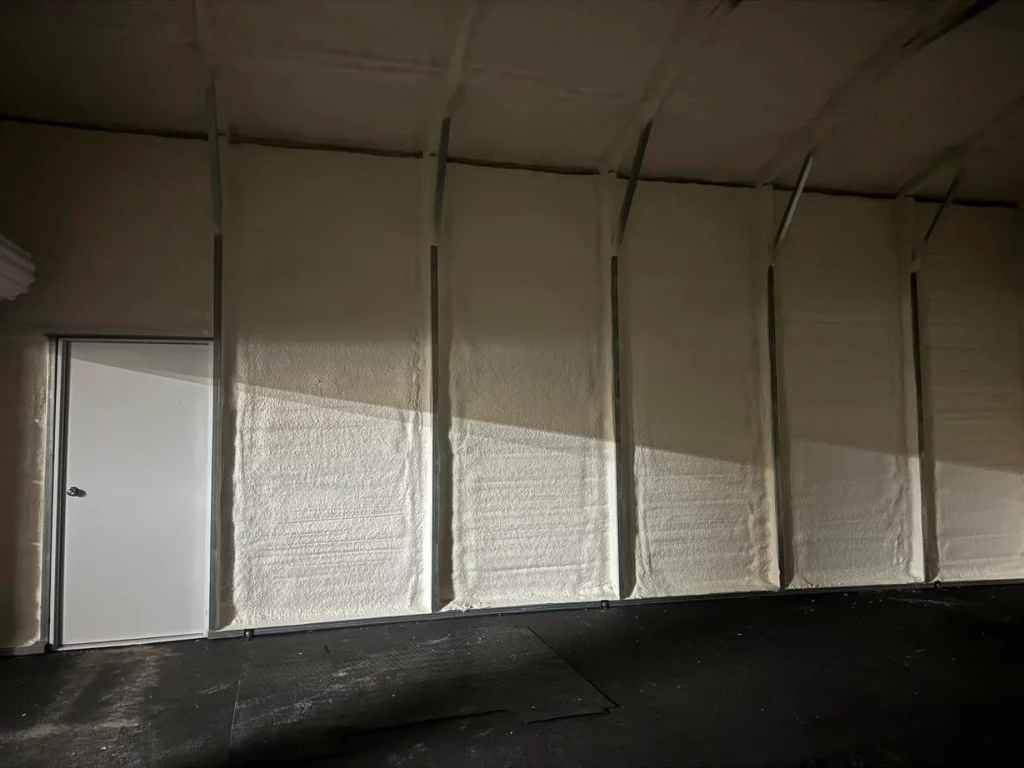
Builders in Troy should approach the selection process with the same rigor they apply to choosing framers, electricians, or HVAC contractors. The following framework helps narrow the field.
| Evaluation Criteria | What to Look For | Red Flags |
|---|---|---|
| Licensing and insurance | Active NC contractor license, general liability, workers’ comp | Unable to provide current certificates on request |
| Product knowledge | Explains open-cell vs. closed-cell, recommends specific products for each assembly | Recommends the same product for every application without justification |
| Code familiarity | References the NC Energy Conservation Code requirements for Climate Zone 3 | Unfamiliar with local code, defers entirely to the builder for compliance |
| Safety practices | Follows EPA/CPSC re-occupancy guidance, provides SDS sheets, and uses proper PPE | Dismisses safety concerns or rushes re-occupancy timelines |
| References and track record | Local project references, repeat clients among builders | No verifiable references in the Troy or the surrounding area |
| Project reliability | Shows up on time, completes work within the agreed timeline, and communicates proactively | Frequent schedule changes, no advance notice of delays |
Custom home builders working on higher-end homes in Troy benefit most from closed-cell spray foam at the roof deck and crawl space walls, paired with open-cell in interior wall cavities. This combination delivers the air tightness and moisture control needed for Energy Star or net-zero-ready construction, which is increasingly demanded by buyers in the region.
Production builders constructing multiple homes per phase should look for a spray foam partner with the capacity to handle volume and maintain consistency across lots. Open-cell spray foam applied to attic floors and wall cavities offers a balance of performance and efficiency for production-scale projects.
Commercial builders working on retail, office, or multi-family projects in Troy should prioritize closed-cell spray foam for its structural benefits and higher R-value per inch, which can reduce wall thickness requirements while still meeting commercial energy code mandates.
The best indicator of a strong partnership is repeatable, positive results across multiple projects. When your spray foam installer consistently passes inspections on the first attempt, shows up when they say they will, and communicates clearly about product selection and installation timing, that relationship has tangible value. Builders who trust their insulation partner spend less time managing that trade and more time focused on the overall build. The right partner becomes an extension of your team, not just a subcontractor you manage.
Spray Foam Pro is the spray foam insulation partner that construction builders in Troy, NC, count on for code-compliant installations, product expertise, and reliable project execution. Our team understands the demands of Climate Zone 3A construction and works alongside builders to deliver the right spray foam solution for every building assembly, from crawl space walls to cathedral ceilings. Reach out to us to discuss your next project.
Request a Quote | Schedule a Consultation
Call us at (910) 606-6247 or email [email protected]. Our team is ready to support your build from framing walkthrough to final insulation inspection.
Troy is located in Montgomery County, which falls under Climate Zone 3A (warm and humid) per the North Carolina Energy Conservation Code, requiring specific minimum R-values for ceilings, walls, floors, crawl spaces, and slab edges.
Open-cell spray foam has an R-value of approximately R-3.5 per inch, a spongy texture, and is semi-permeable to moisture. Closed-cell spray foam delivers R-6.0 to R-7.0 per inch, has a rigid density, resists moisture, and adds structural strength to wall assemblies.
The CPSC recommends that building occupants, including pets, vacate the premises during spray foam application and remain away for at least 24 hours following installation, with longer times possible depending on the product used and building conditions.
Yes. Spray foam provides both insulation and an air barrier in a single application, which helps builders meet the thermal envelope and air leakage control requirements of the North Carolina Energy Conservation Code for Climate Zone 3.
According to the Spray Polyurethane Foam Alliance, spray foam’s air sealing and insulating properties can allow HVAC system sizing to be reduced by as much as 35% without sacrificing comfort or efficiency, particularly in well-sealed building envelopes.