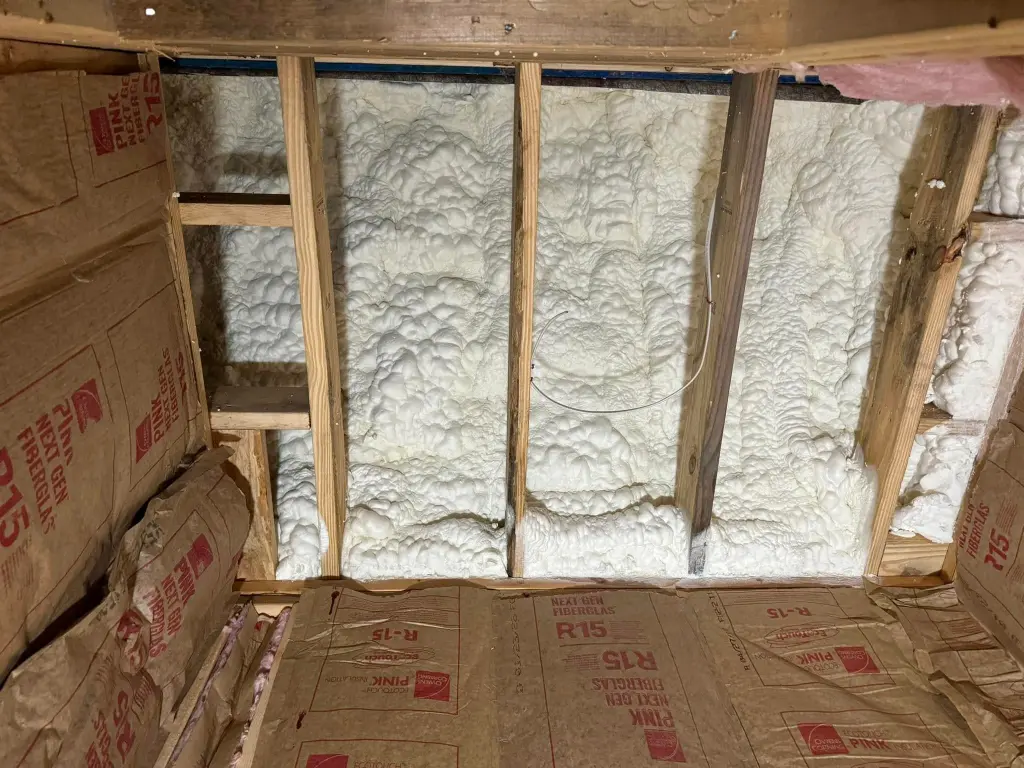
How Can You Choose a Reliable Spray Foam Insulation Contractor in Albemarle, NC?
Jacob Wilberg
November 5th, 2026
A reliable Spray Foam Insulation Contractor in Albemarle, NC shows proof before promises. Verifying credentials upfront protects homeowners from unqualified applicators, improper chemical mixing, and serious property damage or health risks. Insist on verified insurance, documented spray foam training, local references, and a detailed written quote that specifies foam type, thickness, and target R-value to ensure high-quality installation and long-term efficiency.
TL;DR
Verify training, insurance, and references before signing anything.
Get foam brand, thickness, and R-value in writing.
Plan to stay out during spraying, and for the re-entry window your contractor sets.
Start With Proof, Not Promises
Solid work starts long before the hose comes out. Any Spray Foam Insulation Company in Albemarle, NC worth hiring will put its credentials in front of you without being asked. We tell every homeowner to check three things first.
Check the Paperwork
Ask for a current certificate of insurance and ask what formal training the applicators hold. The CPSC’s spray foam fact sheet for consumers advises homeowners to verify a contractor’s insurance and licenses, confirm training, and check references before signing anything. Ask whether the certificate covers general liability and workers’ compensation, because an uninsured helper hurt in your attic becomes your problem. North Carolina doesn’t issue a spray-foam-specific state license, so manufacturer training and industry certification carry extra weight here. If a crew can’t show either, keep looking.
Weigh the References
The same federal guidance recommends calling past customers. Ask for spray foam jobs completed around Stanly County within the last year, then call two of them and ask one question: would you hire this crew again?
What Questions Should You Ask Before You Sign?
Good questions separate professionals from pretenders fast. A legit contractor answers product, process, and safety questions on the spot and puts the answers in writing. Start with these four.
Ask This
Why It Matters
Which foam will you use, and what R-value will I get?
Federal rules require your contract or receipt to show coverage area, thickness, and R-value.
How thick is each pass, or lift?
Foam sprayed too thick in a single pass can overheat, cure badly, and leave lasting odors.
How will you isolate and ventilate the work area?
Containment and ventilation are baseline safety steps in federal guidance for spray foam installs.
What weather conditions affect the application?
Temperature and humidity change how foam reacts, and CPSC tells homeowners to raise this directly.
You don’t need to understand the chemistry to ask these questions. A real pro answers without hesitation and hands over the safety data sheets for the exact product going into your home. The EPA’s spray foam guidance includes a contractor-client checklist, and any crew that follows it will welcome your questions rather than dodge them. When you compare bids, line up board feet, which is one square foot sprayed one inch thick, along with target thickness and foam type. A lower price that sprays less foam isn’t a better deal.
Red Flags That Should Stop the Hire
Most spray foam failures trace back to shortcuts someone took before the first drop was sprayed. Treat any of these warning signs as a reason to get another quote.
Phone-only quotes: Foam volume depends on your actual framing, not a square footage guess. No site visit means no accurate quote.
One-pass promises: A crew claiming full thickness in a single pass invites overheated, poorly cured foam.
No written scope: If foam brand, thickness, and R-value aren’t on paper, you have no proof of what you paid for.
Pressure tactics: Deep “sign today” discounts usually mean corners are getting cut somewhere else.
Bad foam is expensive to undo. CPSC staff note there’s no standard process for removing misapplied spray foam, and disturbing it the wrong way can release dust and other hazards. Choosing crawl space insulation solutions that suit your property’s conditions helps reduce the risk of costly mistakes. Doing the job right the first time costs less every time.
Why Local Track Record Matters in Albemarle
Albemarle sits in the North Carolina Piedmont, where summers turn hot and humid, and moisture is the main enemy of an insulation job. Crews that work this area regularly plan around both facts.
Humidity changes how foam reacts and cures, which is exactly why the federal checklist tells homeowners to ask what weather conditions might affect their install. Local crews also know the housing stock around Stanly County, including the vented crawl spaces and tight attic accesses common in older Piedmont homes. And because spray foam both insulates and air seals, as the American Chemistry Council explains for homeowners, a correct application pays off most during our long cooling season. That’s why we’d rather crawl your attic before quoting it than guess from a measuring wheel.
Get a Free Quote From Our Team
If you’re collecting quotes, put us on the list. Our Spray Foam Insulation Services in Albemarle, NC include a site visit, a written scope, and straight answers to every question in this guide.
Call Spray Foam Pro at (910) 606-6247 or email [email protected] for your free quote. We serve Albemarle, NC, and nearby communities across the Carolinas, and we’re glad to put our paperwork next to anyone else’s.
Frequently Asked Questions About Spray Foam Insulation Contractor Albemarle, NC
How Long Does a Spray Foam Installation Take?
A single attic or crawl space is typically finished in a day, while whole-home jobs run longer. Your written quote should include a schedule before work starts.
Can I Stay Home While the Crew Sprays?
No. Manufacturers recommend staying out during application, and federal safety staff advises occupants, pets included, to plan on being away for at least 24 hours afterward.
How Long Does Spray Foam Insulation Last?
Cured spray foam resists settling and structural breakdown, so it typically performs for decades. Ask for the manufacturer’s stated service life for the specific product.
What Should I Do if I Smell an Odor After Installation?
Contact your contractor first to confirm installation and ventilation were handled correctly. If the smell persists and isn’t resolved, your state licensing board or consumer protection office can step in.
Does Cured Spray Foam Need to Be Covered?
Yes, in living spaces. Cured foam burns when exposed to direct flame, so it needs an ignition barrier such as drywall.
I’m Jacob Wilberg, with three years of experience in the insulation industry, and I founded my company in 2025. I hold Master Insulation Installer certification and focus on proper installation and better customer experiences.
A reliable Spray Foam Insulation Contractor in Albemarle, NC shows proof before promises. Verifying credentials upfront protects homeowners from unqualified…