
Spray foam insulation in Mint Hill, NC homeowners, builders, and commercial property owners can use it to improve the building envelope, limit unwanted air movement, and address insulation needs in attics, walls, crawl spaces, foundations, and other areas. Spray Foam Pro provides residential and commercial solutions, including open-cell and closed-cell foam, fiberglass, air sealing, retrofit work, and new construction insulation. The right approach depends on the building, existing materials, project goals, and the area being treated. With proven experience and options for different property types, the team can help evaluate practical insulation choices. Call (910) 606-6247 to discuss your project.
Mint Hill experiences the warm summers and cool winters typical of the Charlotte-area Piedmont. NOAA’s 1991–2020 climate normals for Charlotte Douglas Airport show average July highs around 90°F and January lows around 32°F, illustrating the seasonal temperature range nearby. Those temperature swings increase the importance of a properly insulated building envelope, particularly around attics, exterior walls, floors, and crawl spaces where heat transfer can affect indoor comfort.
Mint Hill’s official comprehensive plan describes many residential neighborhoods as relatively low density, with large lots and predominantly detached single-family homes. That housing pattern creates varied insulation needs across existing homes, additions, renovations, and newer construction. For homeowners, builders, and property owners, the practical question is not simply whether to add insulation, but which material and application make sense for the specific assembly, access conditions, moisture exposure, and project goals.
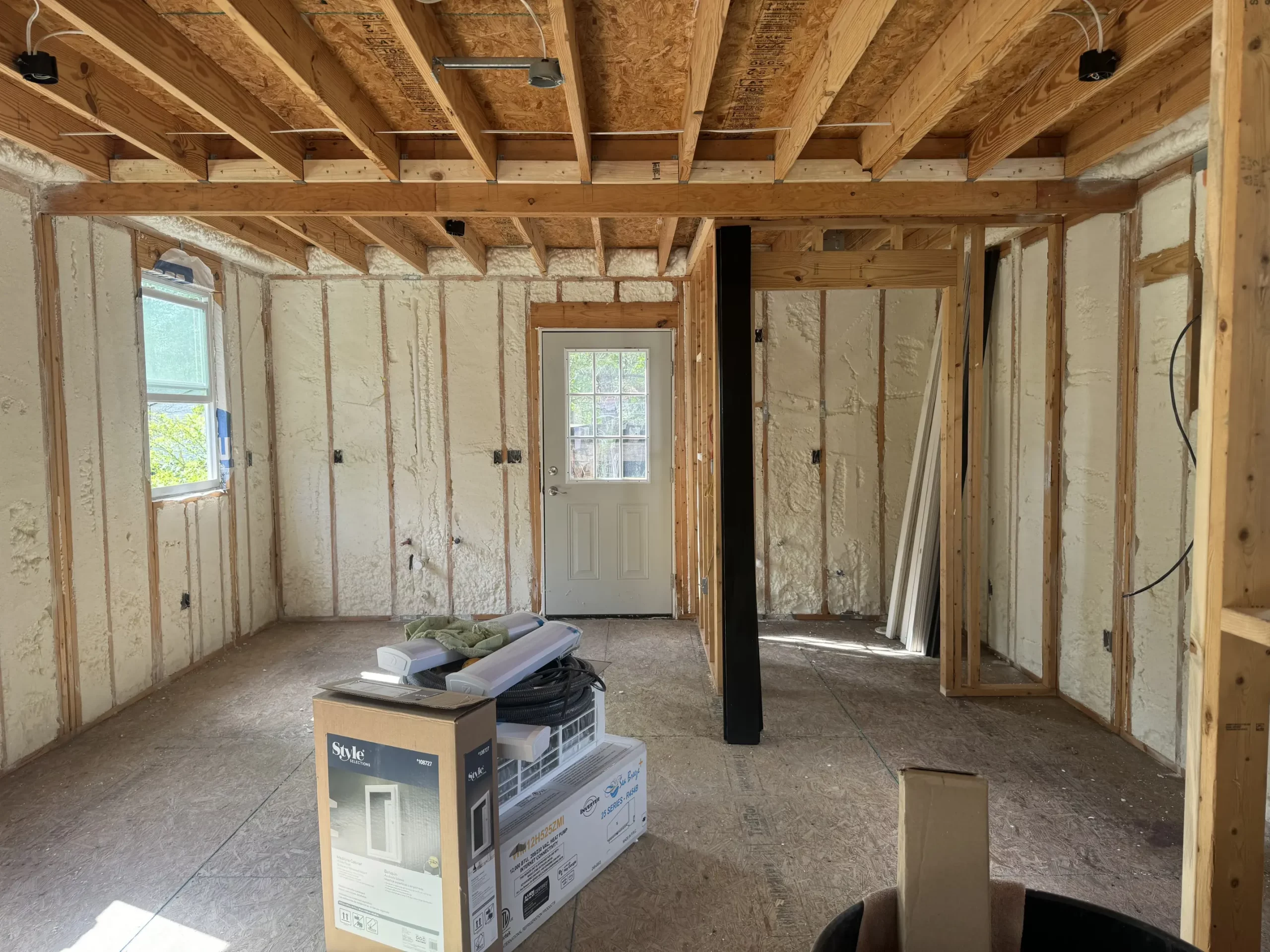
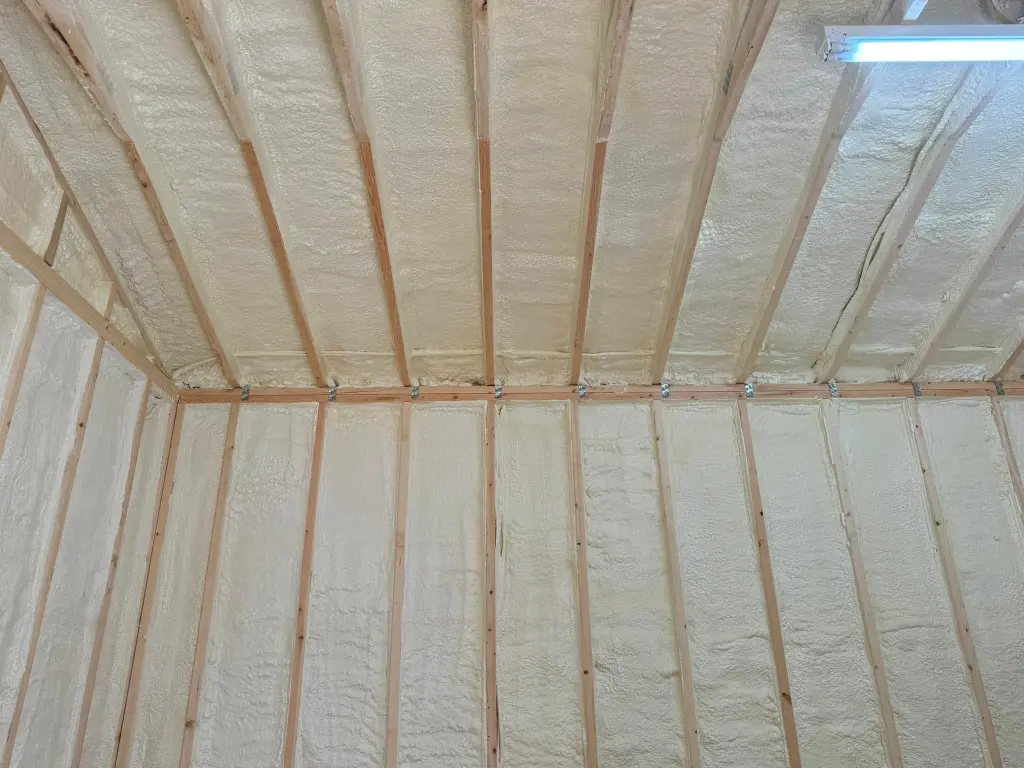
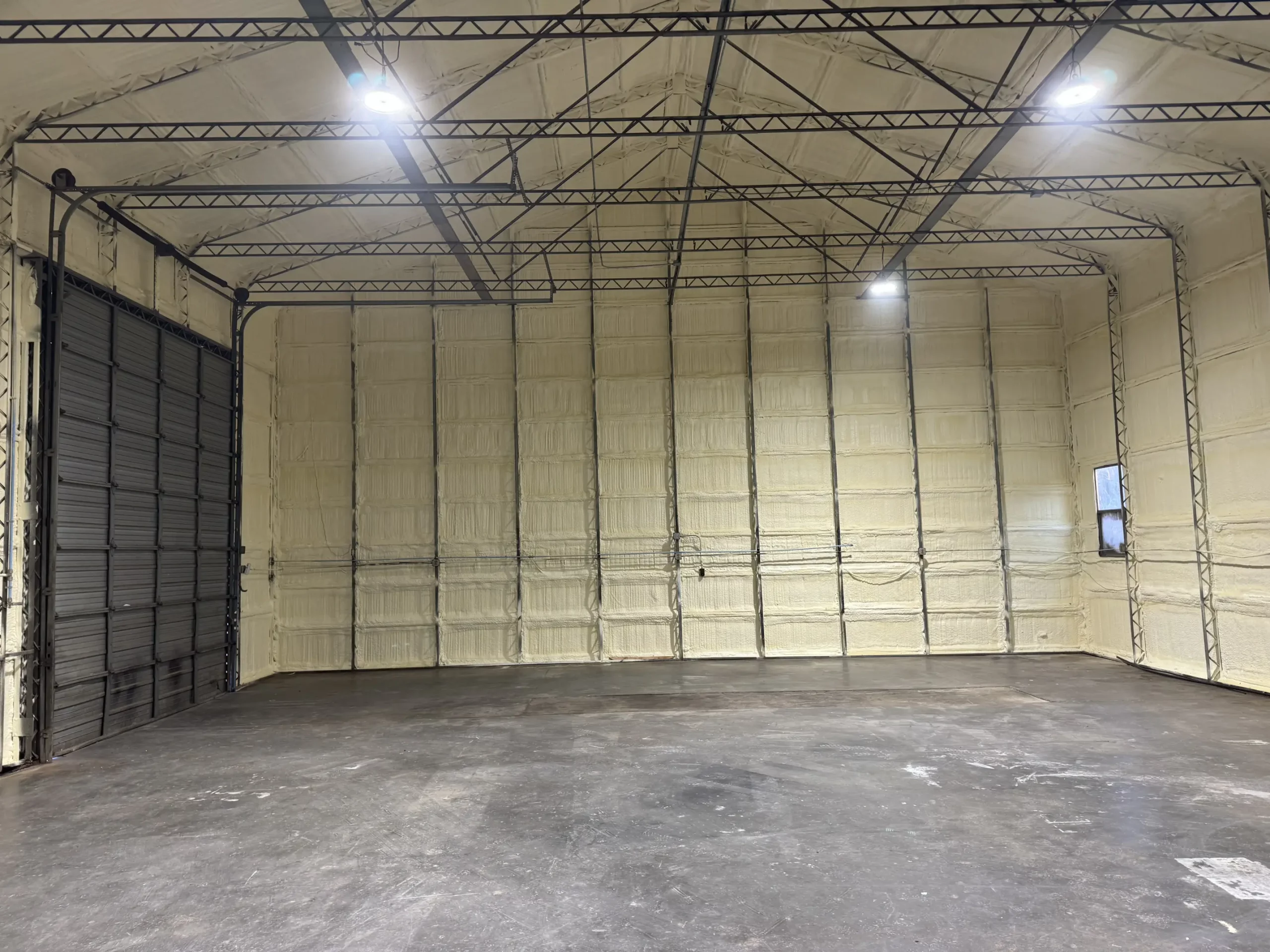
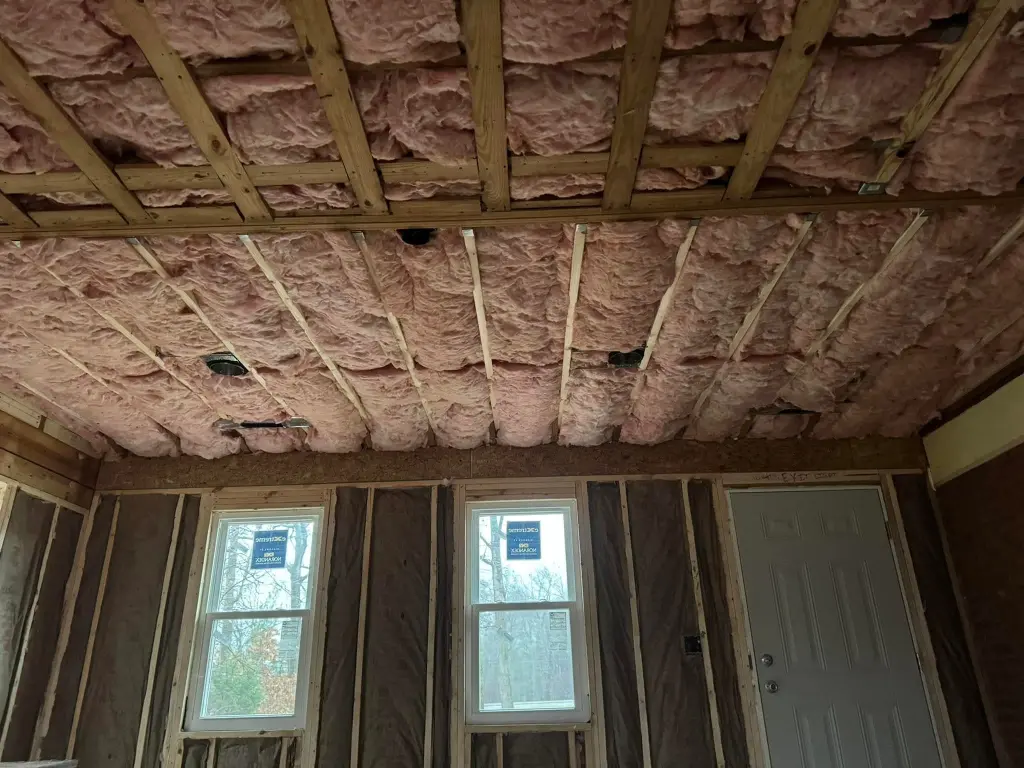
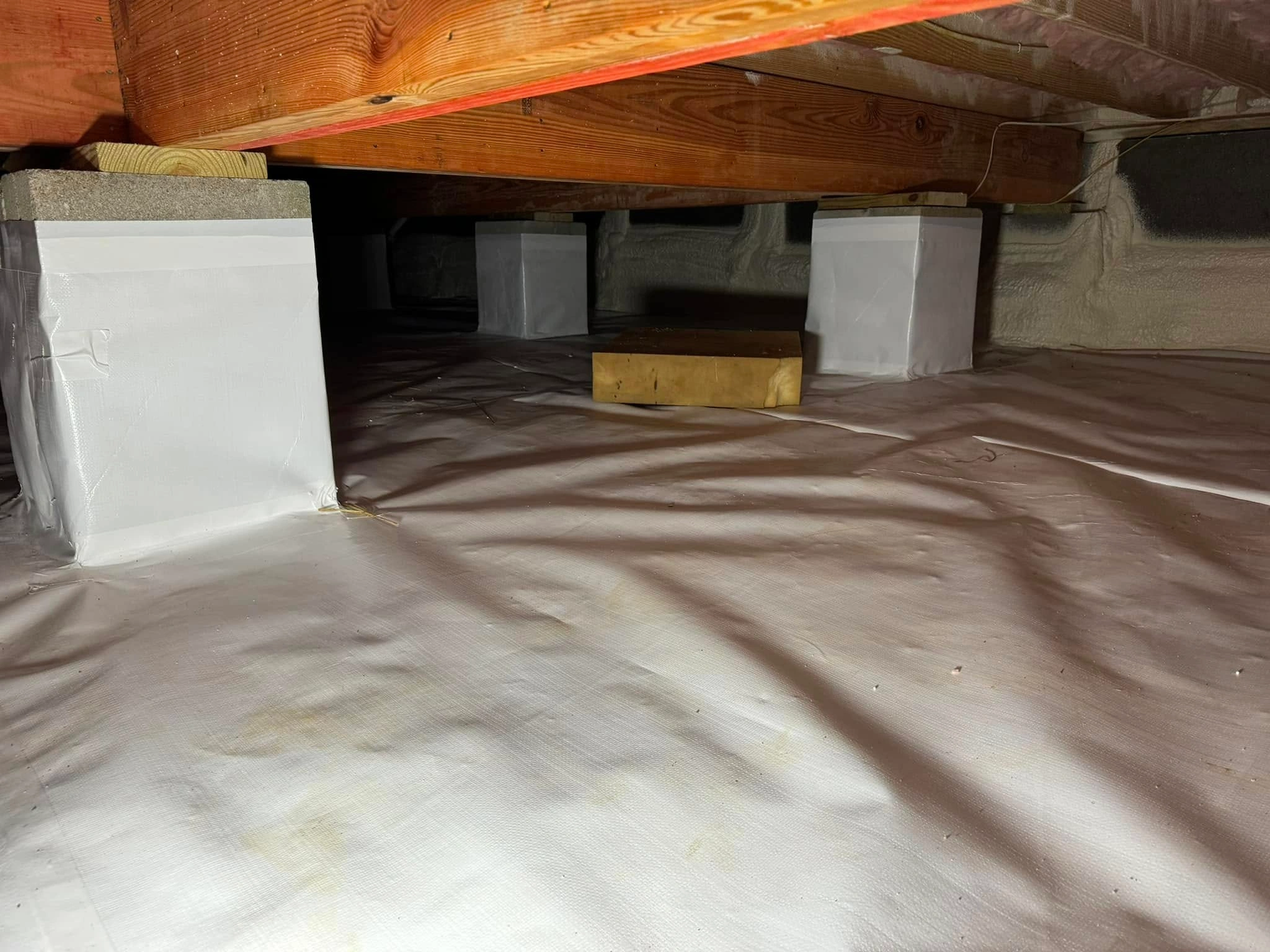
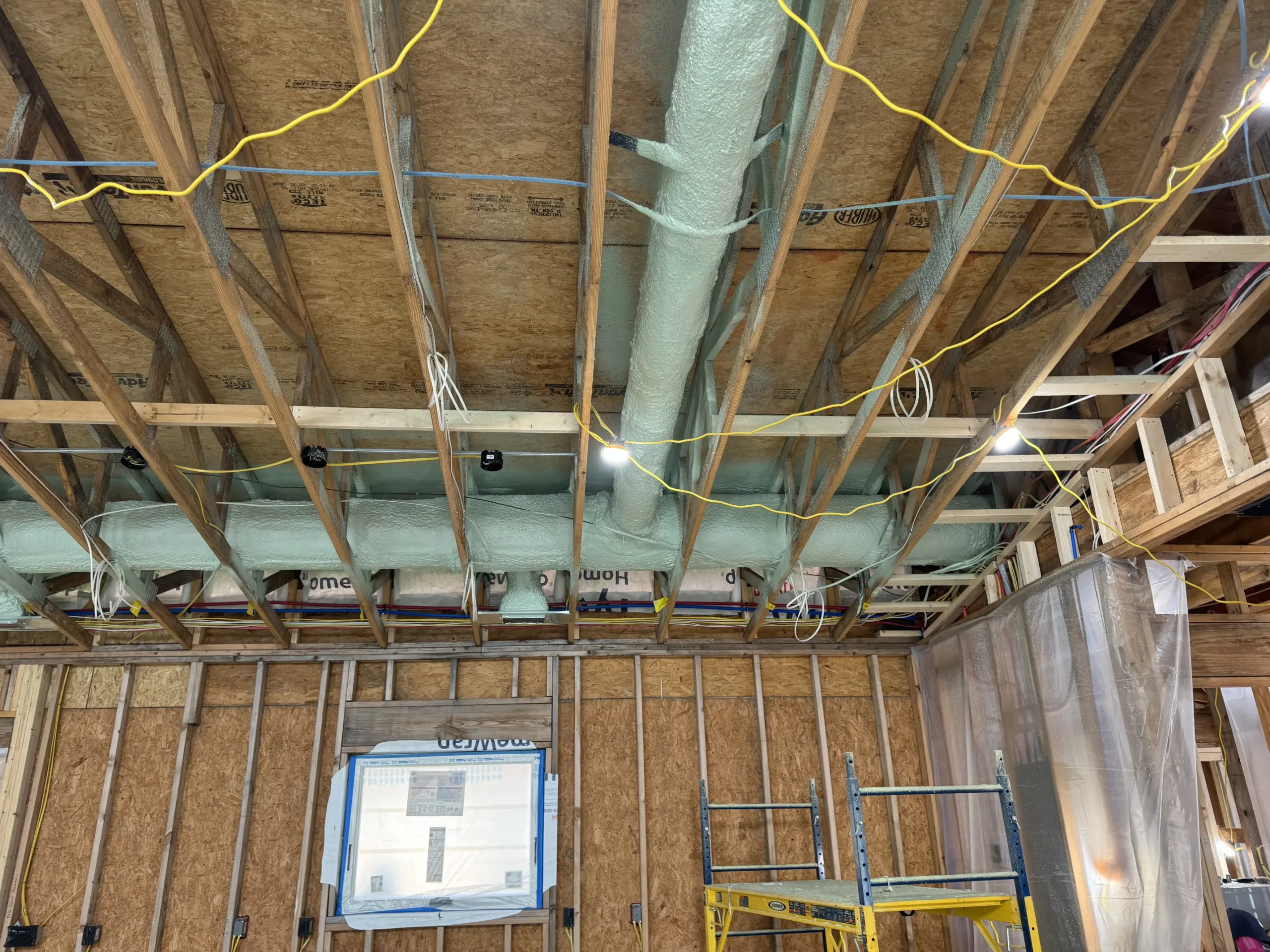
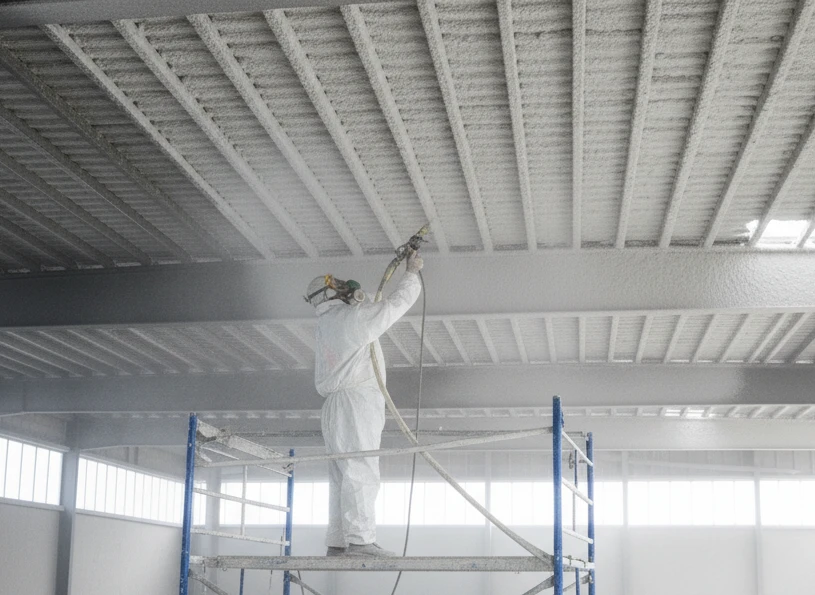
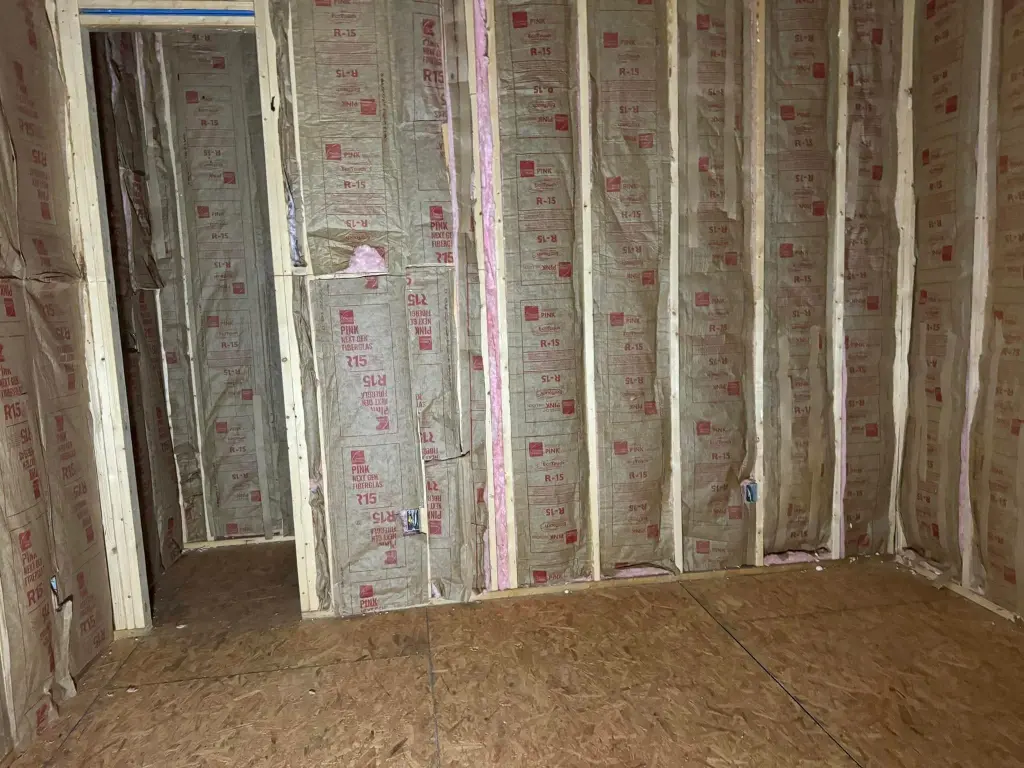
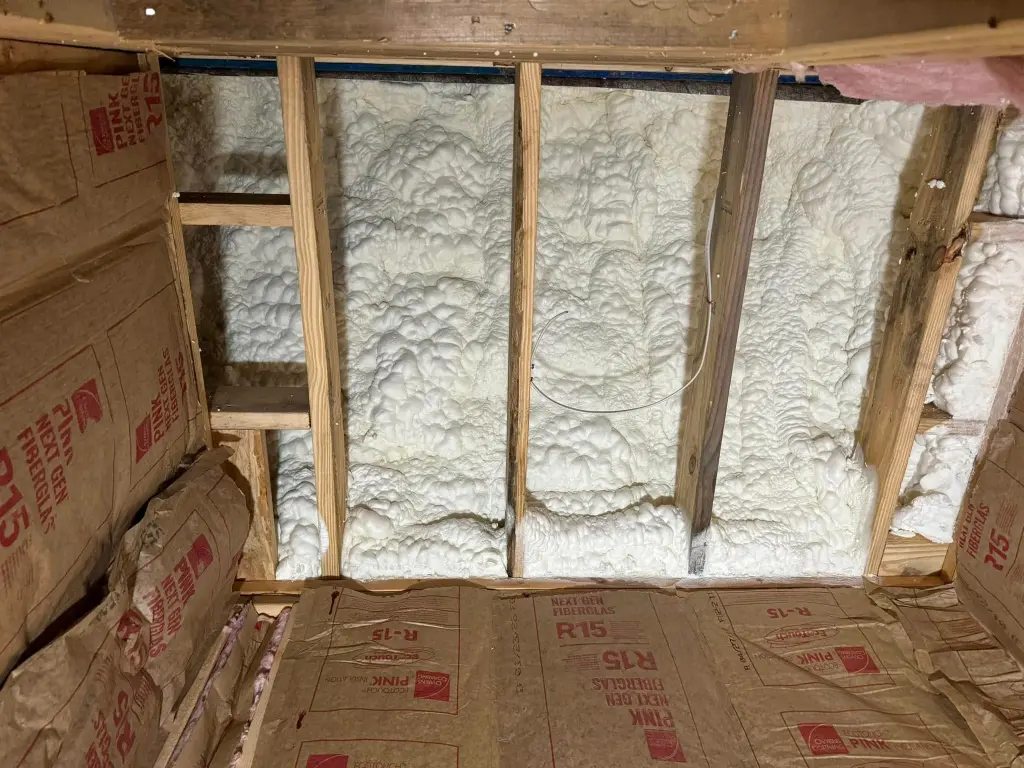
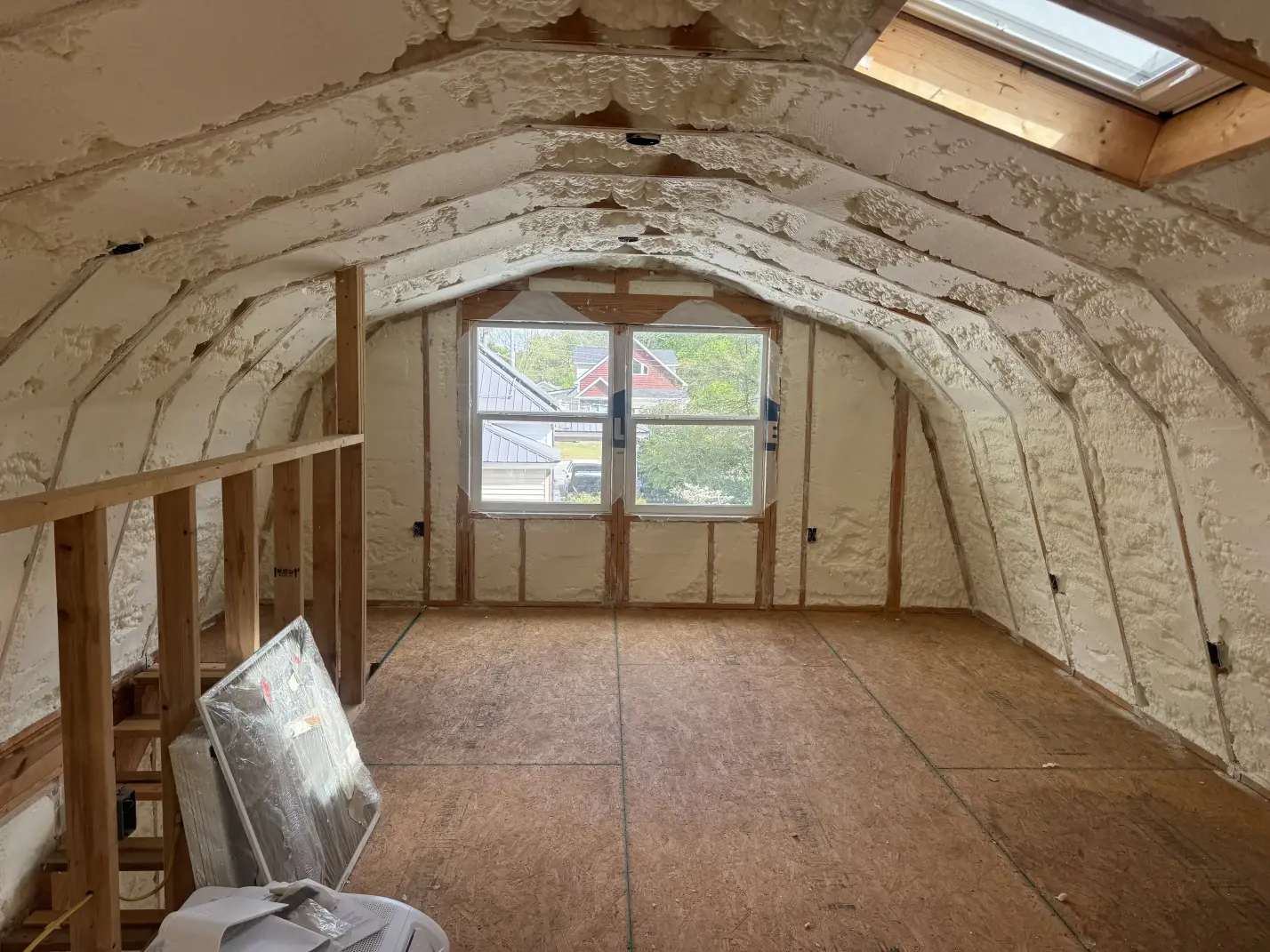
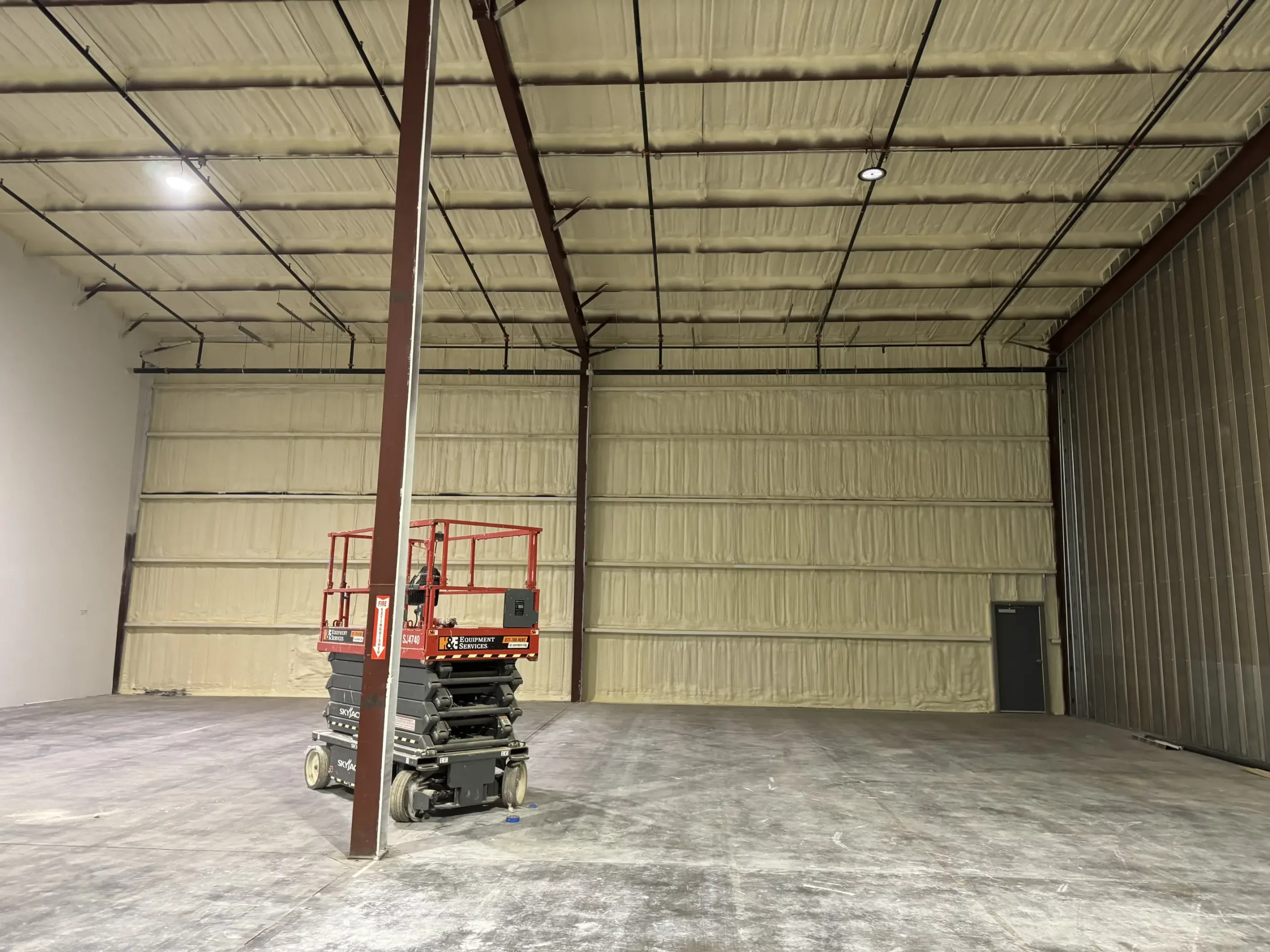
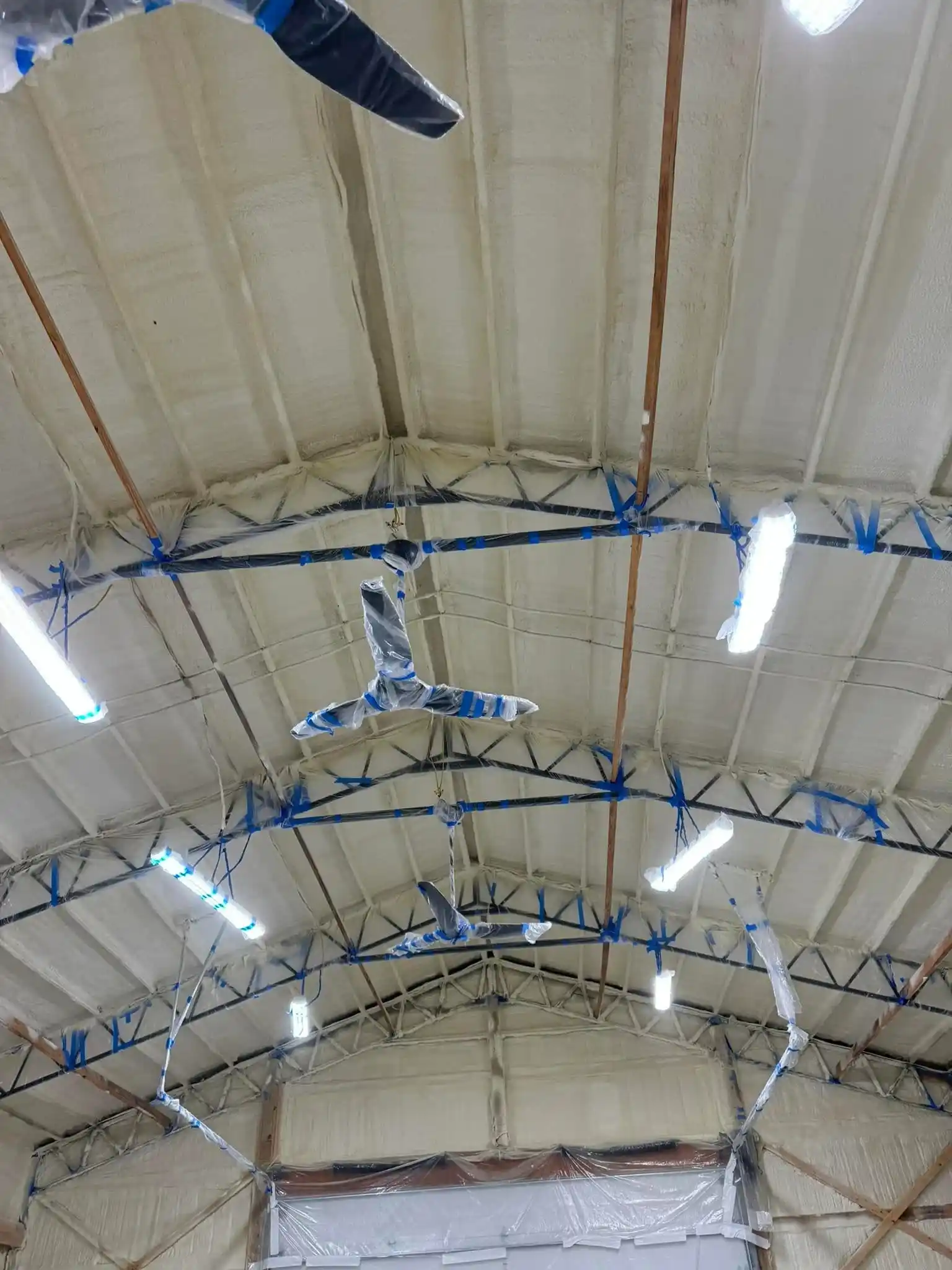
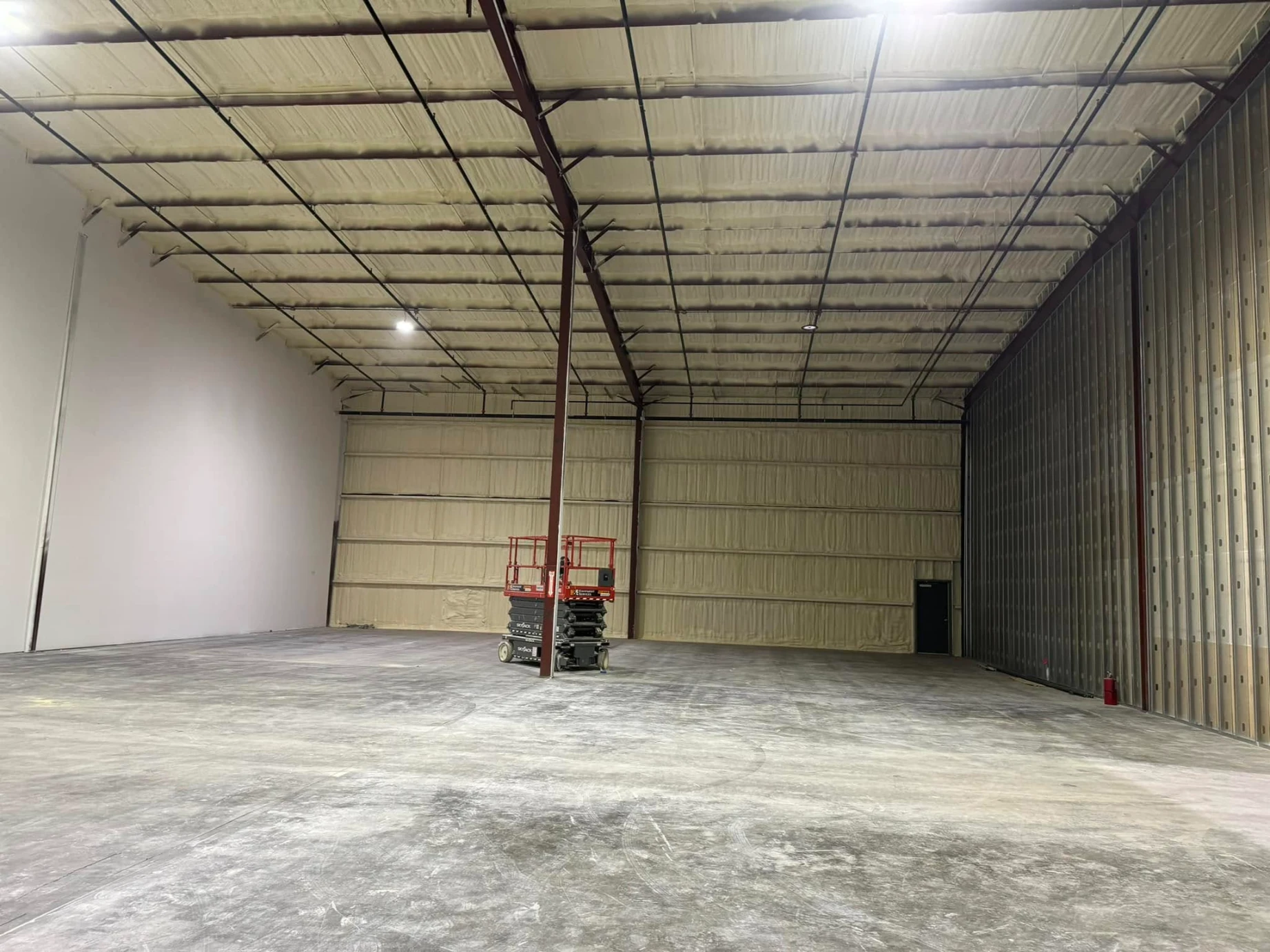
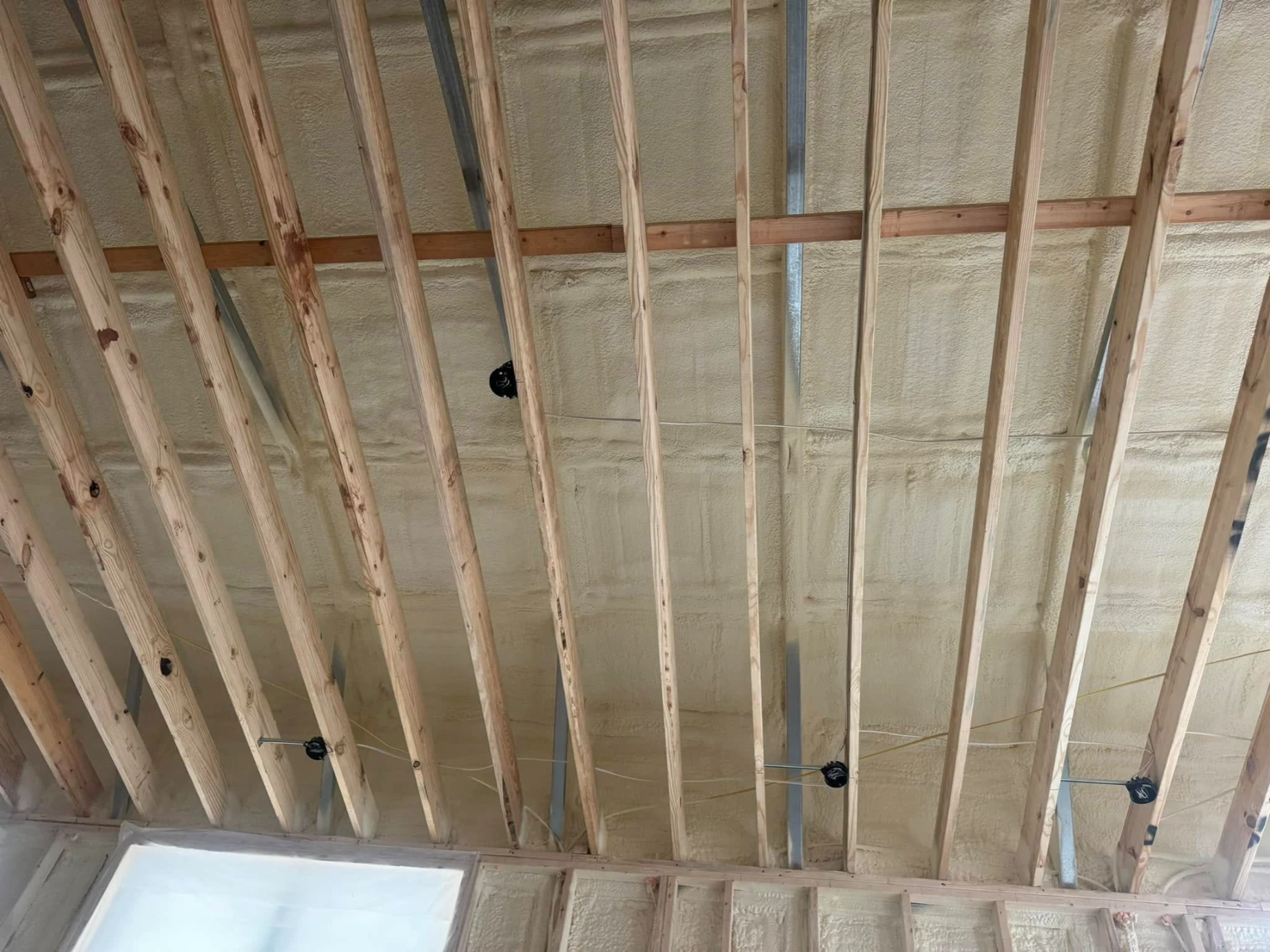
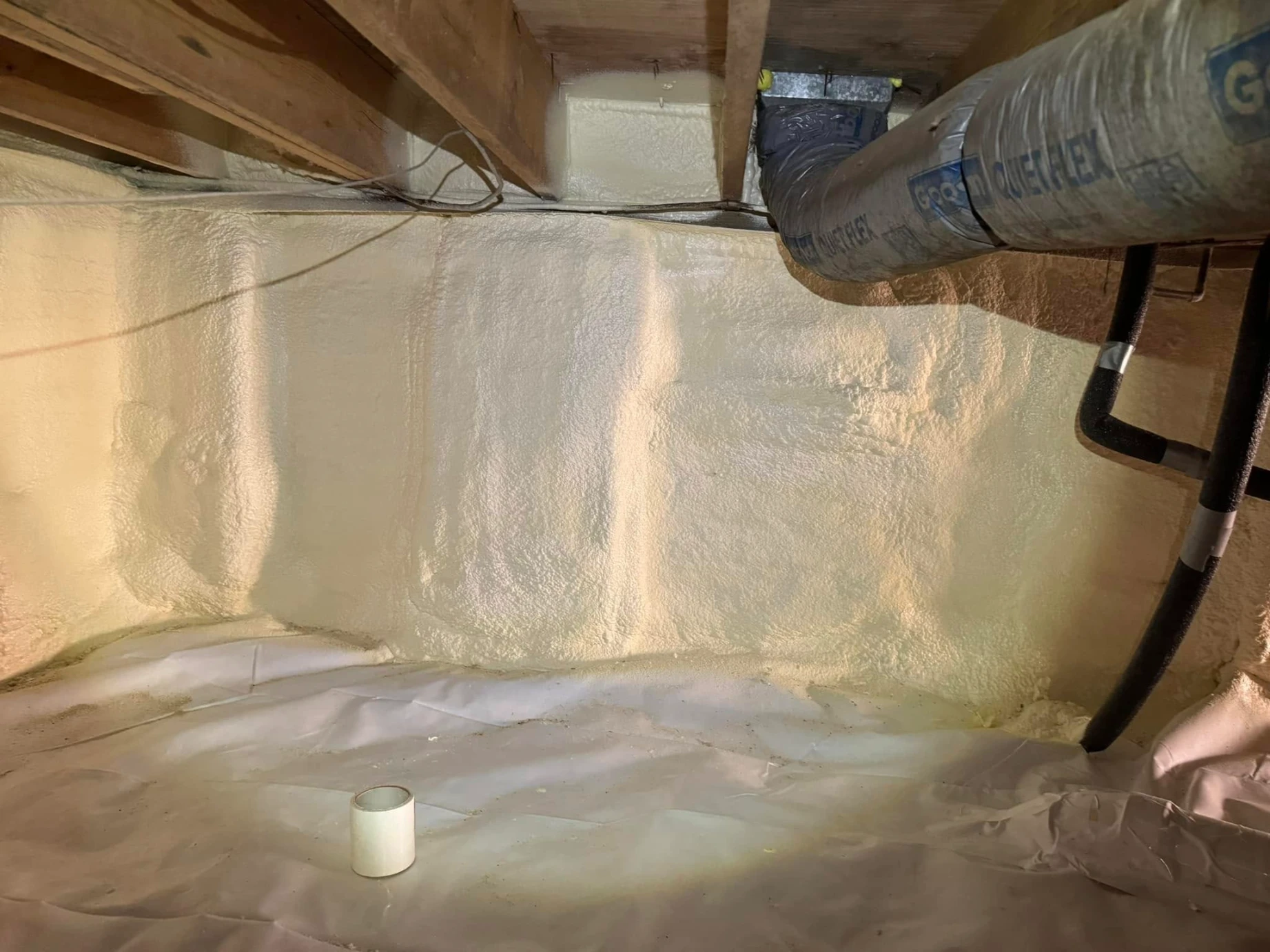
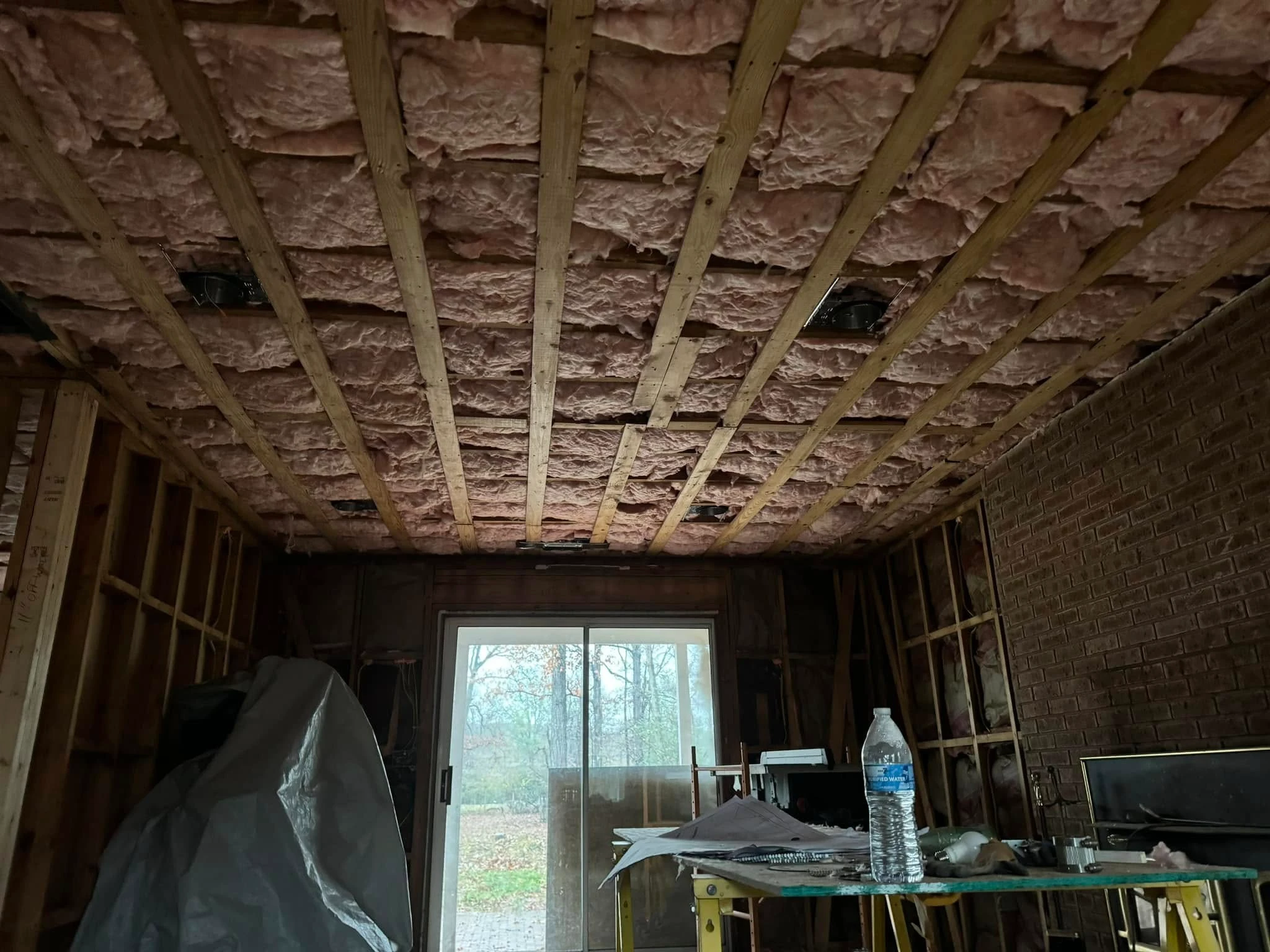
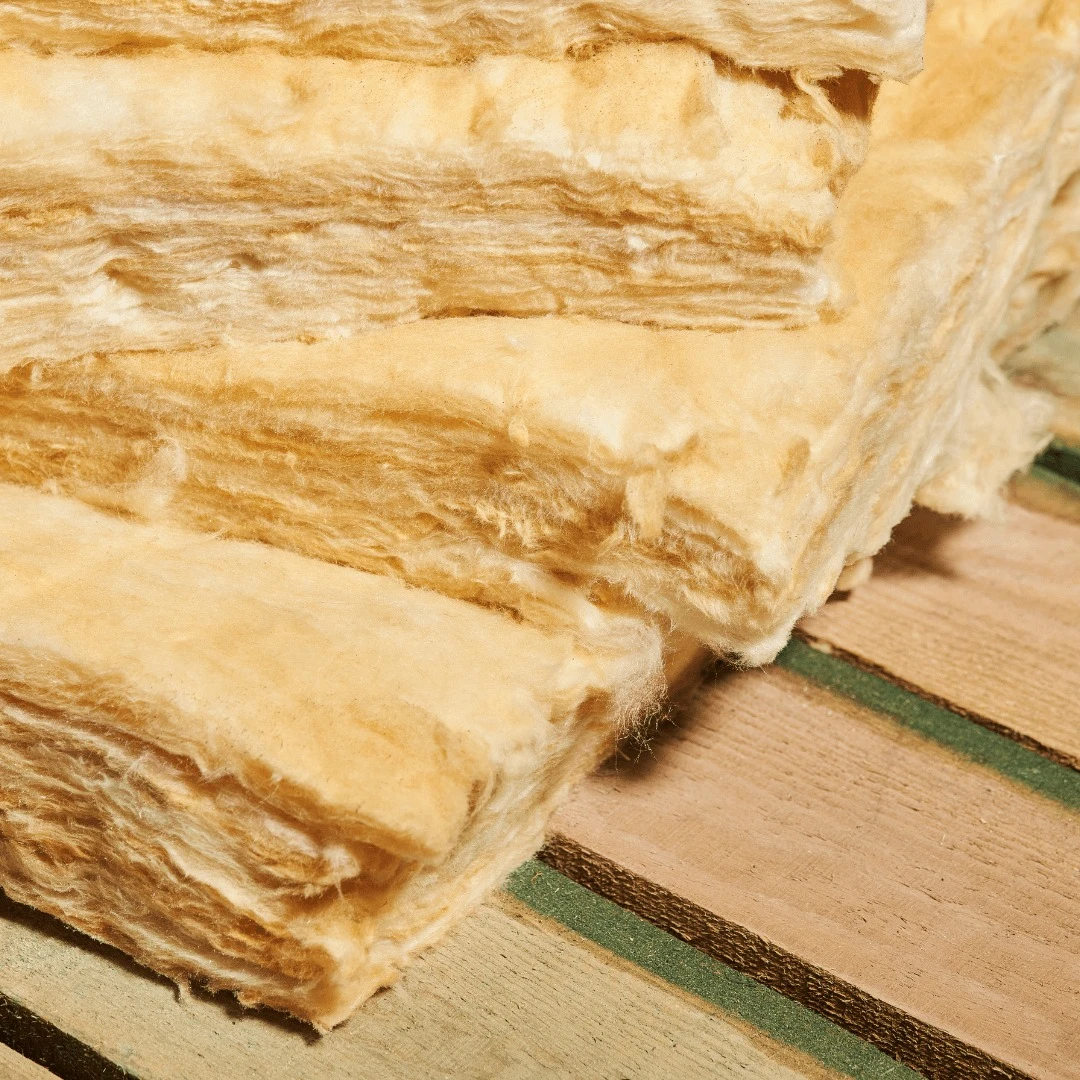
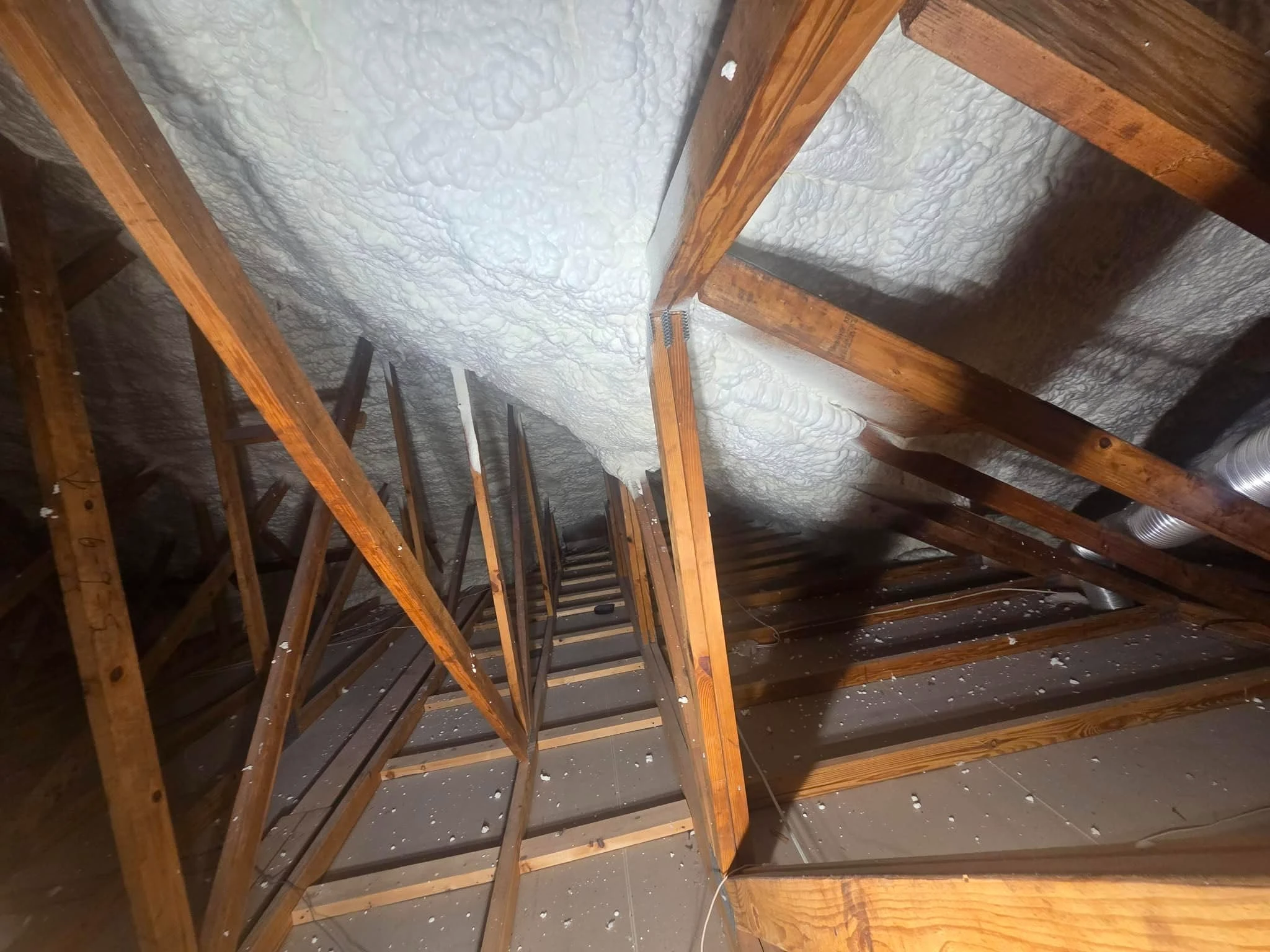
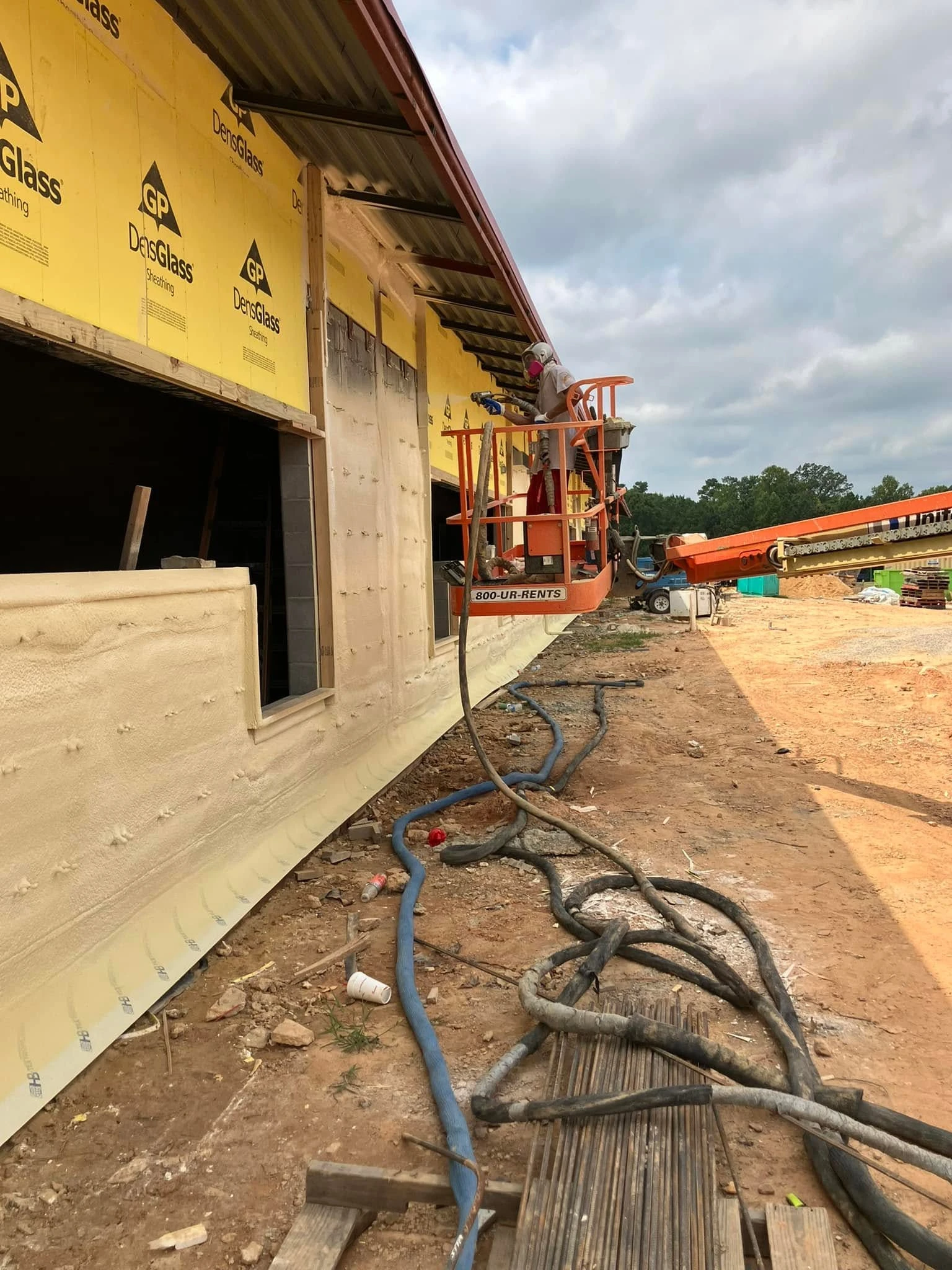
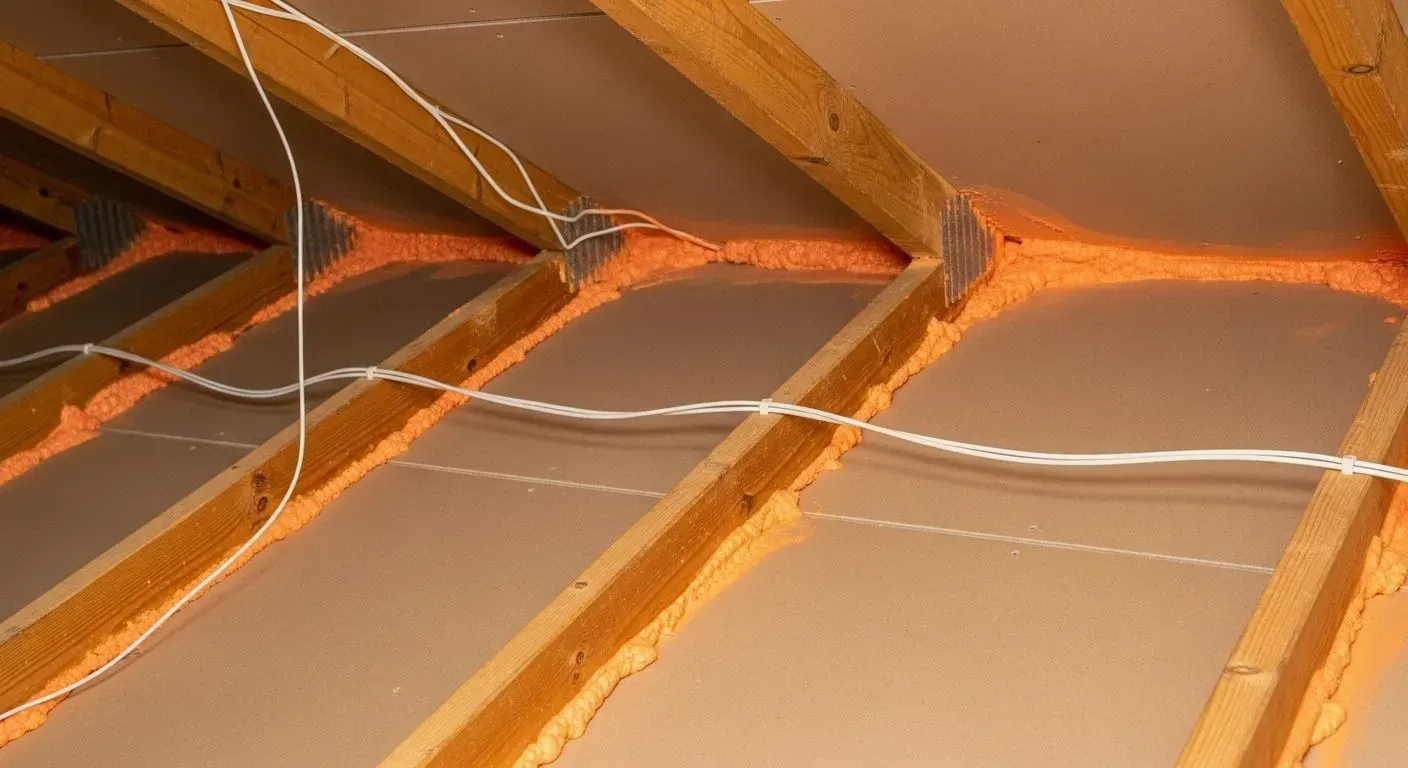
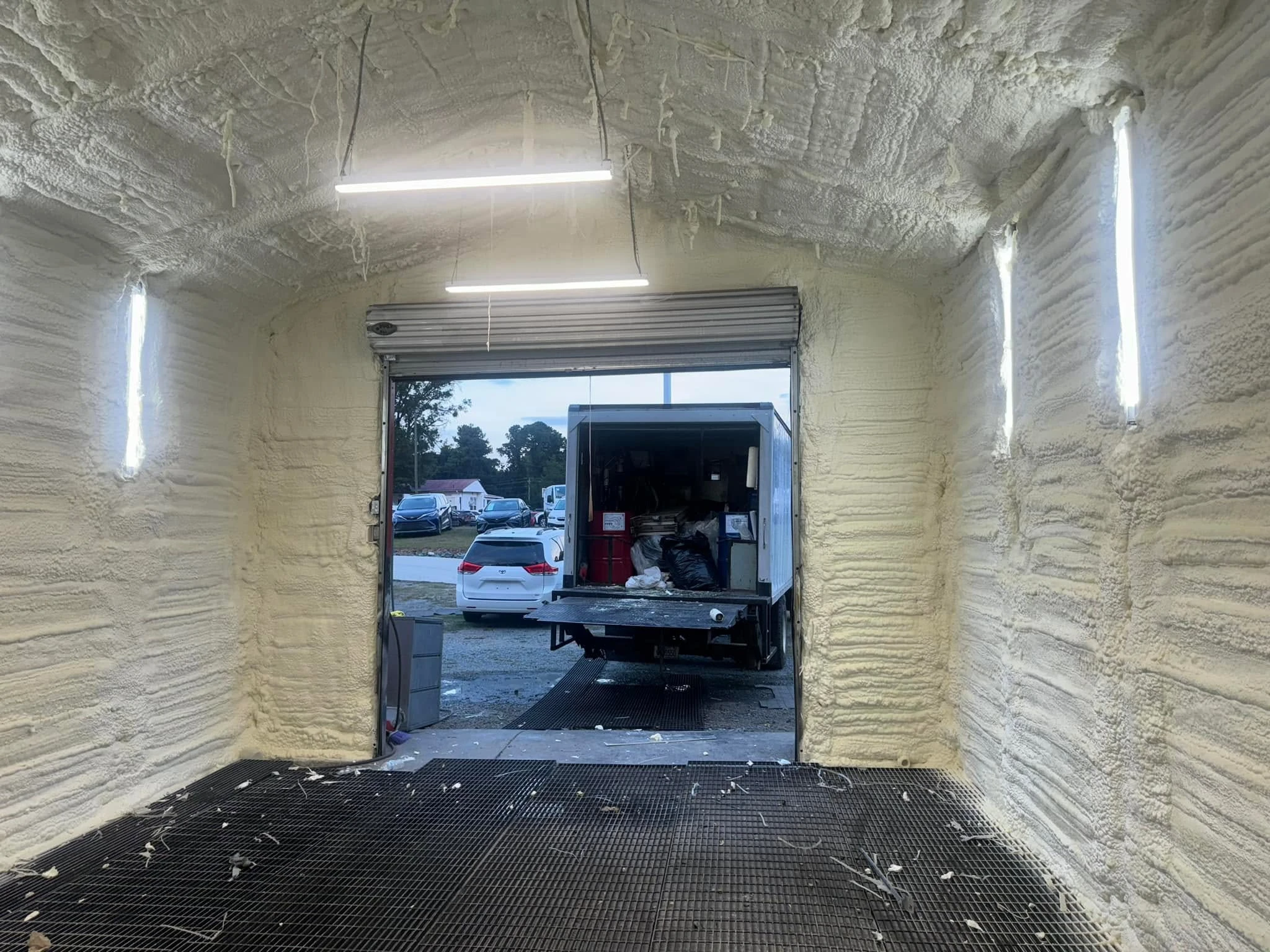
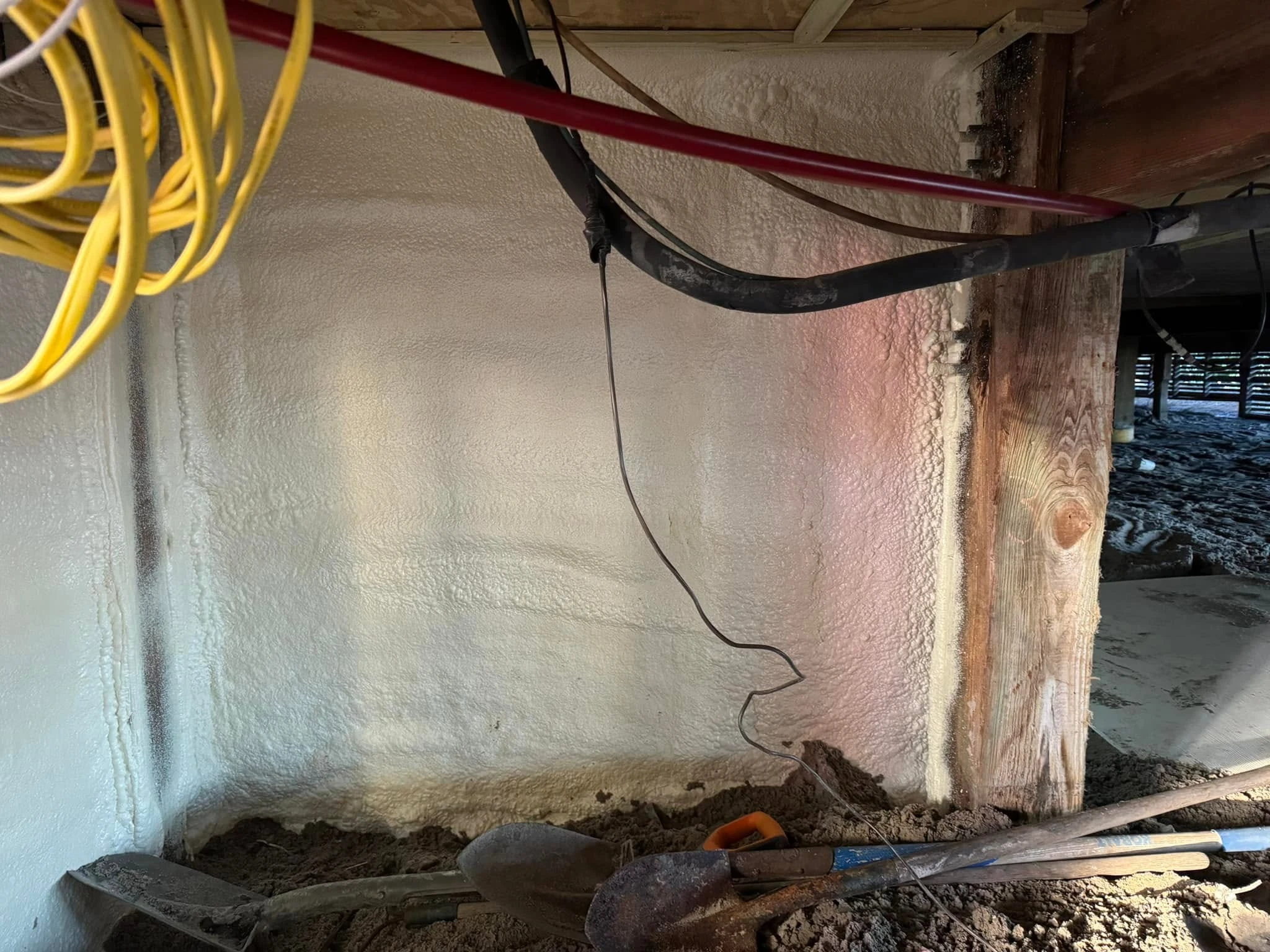


Choosing the right insulation starts with understanding the building rather than automatically selecting one material. Spray Foam Pro can discuss your property, the area requiring attention, and the available insulation approach.
If your Mint Hill property has an attic, crawl space, wall, foundation, floor, or commercial area that needs better insulation, the first step is identifying the right application for the building. Spray Foam Pro can discuss your project and available options.
Yes. Retrofit work can target accessible attics, walls, crawl spaces, floors, or foundations without requiring a complete rebuild, depending on existing construction, access, and scope.
Active water intrusion, drainage problems, standing water, or unresolved moisture sources should be addressed first so insulation is installed on a surface that remains dry.
Yes. Insulation and thermal-envelope requirements can apply to new construction and alterations, while exposed foam may require approved protective measures for the specific assembly there.
Selection depends on location, available space, moisture exposure, air-sealing goals, assembly design, and budget. A project assessment helps determine which foam is appropriate before choosing.
Ask what areas will be treated, which foam or insulation is proposed, whether preparation is included, expected thickness, protective requirements, cleanup, and what the written estimate covers.


